


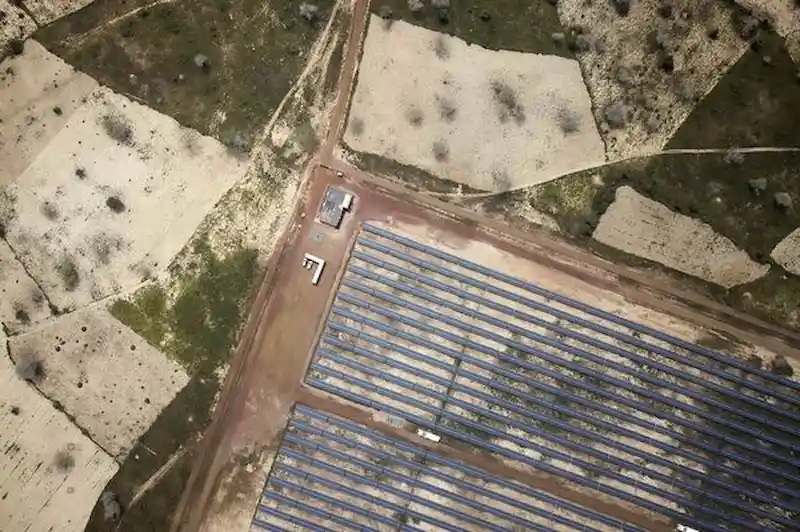


Senegal has become the first country that does not rely on coal for electricity to secure €2.5 billion ($2.7 billion) of funding from Group of Seven (G-7) countries to transition to cleaner energy. The Just Energy Transition Partnership (JETP) funding has set the goal of increasing Senegal's renewable energy to 40% of its electricity mix over seven years, with renewables already accounting for 31% of its mix, according to President Macky Sall. Several international partners and multilateral development banks will make finance available to Senegal throughout the next three to five years with additional financing support that may help Senegal's ambitions beyond this period.
A similar €8.5 billion package is being pursued by South Africa through G-7 countries and several organizations to start an energy transition away from coal dependence. Vietnam and Indonesia are also negotiating for energy transition packages, following a trend of nations incentivizing transitions from fossil fuels.
Some of the world's most industrialized nations have launched the program as a solution to helping emerging nations invest in renewable energy and reduce their output of greenhouse gases as they develop. This effort to fund renewable energy projects in Senegal sends an important message to other African nations to transition away from coal-generated power towards cleaner forms of energy.
The JETP is also being considered for use in Mongolia, according to French Minister for Europe and Foreign Affairs Catherine Colonna. Senegal currently relies on natural gas, which is a less dirty fossil fuel than coal, to produce most of its electricity. Senegal also plans to produce its own gas to supply its energy while simultaneously preparing a liquefied natural gas (LNG) industry for export.
The economies of such continents as Asia and Africa still require fossil fuels for their rapid development. However, the EU, one of Senegal's international partners, needs to address the delicate balance between supporting renewable energy industry development and safeguarding energy needs. Following Europe's accusations at COP27 of utilizing Africa as a "gas station," the EU is taking a very cautious approach to avoid offending anyone. Africa is yet to develop its infrastructure adequately, and Sall explained that his country still requires essential infrastructure support, not just an energy transition, to practice fair and resilient development. The JETP approach will undoubtedly offer some relief to Senegal. The country has also requested $1.8 billion of funding support from the IMF and has previously secured a staff-level agreement for a credit facility of $1.5 billion and an additional $300 million from a new trust to support vulnerable countries in creating resilience to external shocks, such as climate change.