


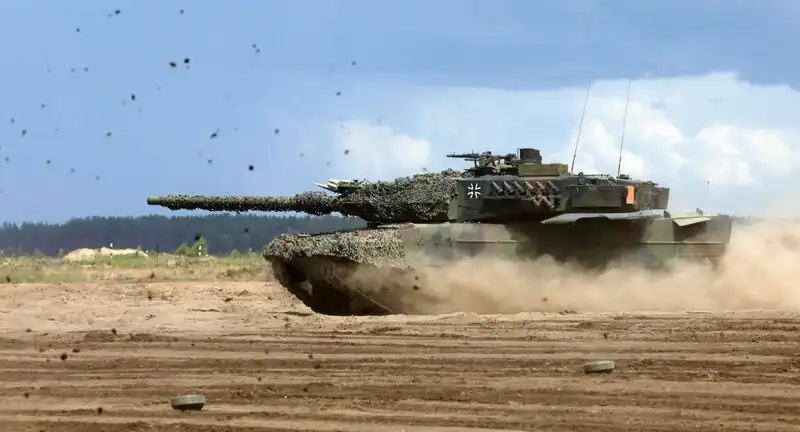


Germany is set to boost its defense budget to a record amount in the coming year, aiming to meet NATO's target of spending at least 2% of its GDP annually on military expenditures. The country's Defense Minister, Boris Pistorius, will receive an allocated budget of €51.8 billion ($56.4 billion), which is €1.7 billion more than the previous year, according to the 2024 federal financing plan released by the government.
In addition to the regular budget, there will be an extra €19.2 billion from a special fund that was established after Russia's invasion of Ukraine. This will bring Germany's total military investment to €71 billion, effectively reaching the NATO goal of 2% of GDP. This move demonstrates Germany's commitment to contributing to European defense capabilities and its willingness to fulfill its obligations as a member of the alliance.
The decision to increase defense spending comes as Chancellor Olaf Scholz's ruling coalition makes defense a priority in the next year's budget. Other ministries have had to tighten their belts as a result of the constitutional limit on net new borrowing, which was reinstated last year. The suspension of the debt-brake allowed the government to allocate significant funds to tackle the Covid-19 pandemic and address the energy crisis.
However, Finance Minister Christian Lindner, a member of the fiscally conservative Free Democratic Union, pushed for the reimplementation of the debt-brake mechanism. Lindner argues that fiscal prudence is necessary to combat inflation and help the European Central Bank achieve its target of 2% annual inflation in the eurozone.
The 2024 budget and the finance plan through 2027, titled "Back to fiscal normality," outline a gradual reduction in net new federal borrowing. The plan forecasts a decline in borrowing from €45.6 billion in 2023 to €16.6 billion in 2024. This downward trend will continue, reaching €15 billion by 2027. However, there remains a budget gap of over €14 billion for the years 2025 to 2027, highlighting the need for spending prioritization and consolidation measures.
The confirmation of Germany's increased defense budget is timely, as NATO allies are expected to set a slightly more ambitious spending goal at the upcoming summit in Vilnius. It is likely that member states will agree to invest a minimum of 2% of their GDP in defense as soon as possible. However, some nations are still working towards meeting this target, and Germany's commitment to reaching the goal demonstrates its dedication to collective security and its role within the alliance.
The German cabinet, led by Chancellor Scholz, is scheduled to approve the budget for the upcoming year on Wednesday. The budget will then be sent to parliament for further adjustments and fine-tuning by lawmakers. The process typically takes until mid-December before final approval is granted. Through this increased defense spending, Germany is sending a strong message about its commitment to bolstering its military capabilities and supporting NATO's objectives.