




The euro-area economy managed to avoid a recession in the first quarter of this year, contrary to previous reports that suggested a decline in output. Revised data from Eurostat now shows that the economy stagnated instead of contracting. The initial reading of -0.1% had indicated a potential recession, especially when combined with the same magnitude decline in the previous quarter. However, the updated figures reveal that the economy remained flat during this period.
Although the technical recession has been averted, economists warn that the outlook for the eurozone remains weak. Jamie Rush, the chief European economist for Bloomberg Economics, highlights the lingering weakness in the region despite the absence of a contraction. The impact of the energy shock is subsiding, but it is being replaced by the squeeze from tight monetary policy, which is expected to keep growth sluggish throughout the year.
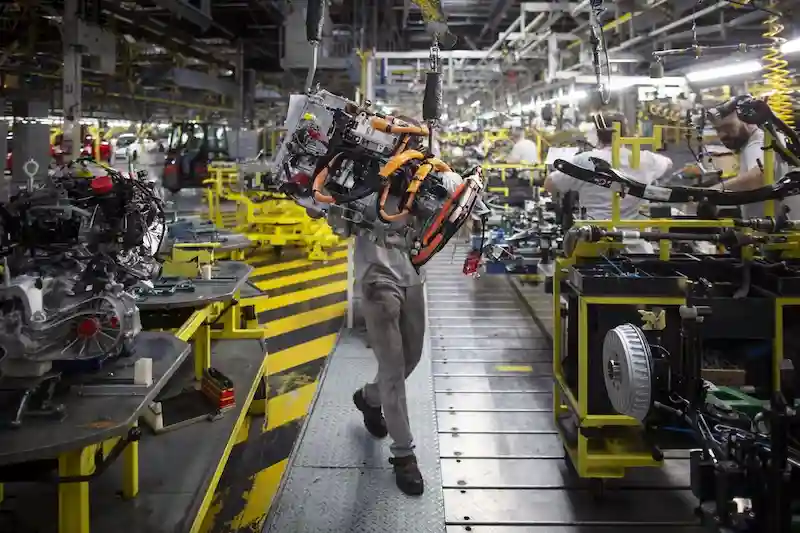
One of the major contributors to the lackluster performance of the eurozone economy is the sluggish manufacturing sector. This industry has been a drag on growth and continues to face challenges. Moreover, inflation remains a concern, although it has decreased significantly from its peak in October. The European Central Bank's decision to raise interest rates further next week adds to the headwinds faced by the region.
Overall, while the eurozone managed to avoid a formal recession in the first quarter, the underlying weaknesses persist. The manufacturing sector and inflation continue to hinder growth, and the prospect of further interest rate hikes raises concerns about the future economic performance of the region. It remains to be seen how the eurozone will navigate these challenges and foster stronger growth in the coming months.