


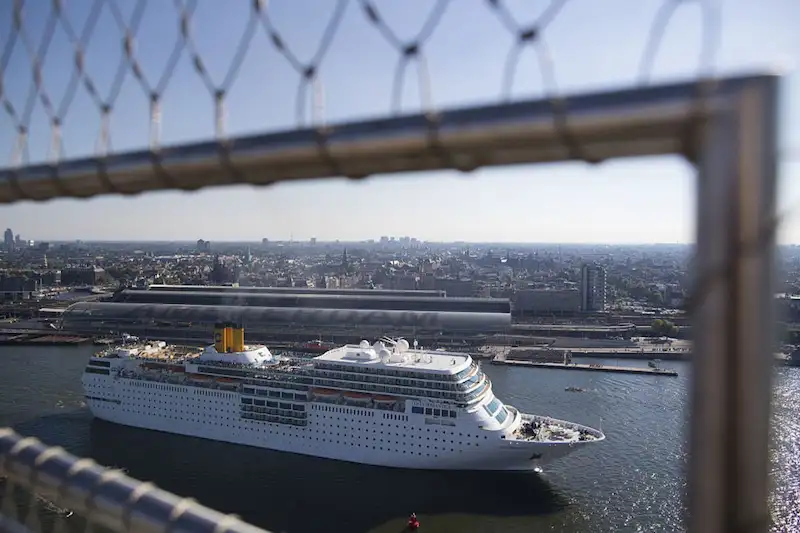


Amsterdam has taken a bold step towards reducing tourism and tackling pollution by voting to ban cruise ships from docking in the city. The decision by the Dutch capital's council aims to restrict the entry of these giant vessels and eventually close the central cruise-ship terminal. The specifics of the implementation and timeline will be worked out through consultations with stakeholders.
The move stems from Amsterdam's commitment to sustainable development and its desire to combat the negative impacts of mass tourism. The city is known for its picturesque canals, historical architecture, and vibrant culture, but its popularity as a tourist destination has led to overcrowding and increased pollution. The large cruise ships, in particular, have been criticized for their environmental footprint and contribution to air and water pollution.
Amsterdam hosts one of the largest cruise ports in Europe, welcoming hundreds of mega ships and around 700,000 cruise passengers annually. The decision to ban cruise ships is part of a broader crackdown on tourism and the disruptive effects it has on the city. Mayor Femke Halsema has been actively campaigning to establish a more sustainable balance between residents and tourists, challenging the perception of Amsterdam as a destination for indulgence and partying.
This latest move follows other measures taken by the city to address the negative consequences of tourism. Earlier this year, outdoor marijuana smoking was banned in the famous red-light district, and a targeted "Stay Away" campaign was launched to discourage rowdy visitors, particularly young British men, from descending upon the city.
Amsterdam's decision to ban cruise ships mirrors a similar move made by the Italian government in 2021 to protect Venice's historic lagoon from mass tourism. These measures highlight the growing recognition among cities and governments of the need to manage tourism sustainably and preserve their cultural and environmental heritage.
By implementing this ban, Amsterdam is sending a clear message that it values the well-being of its residents, the environment, and the long-term sustainability of its tourism industry. It is a proactive step towards creating a more balanced and responsible approach to tourism, one that prioritizes the city's values and the preservation of its unique identity.