


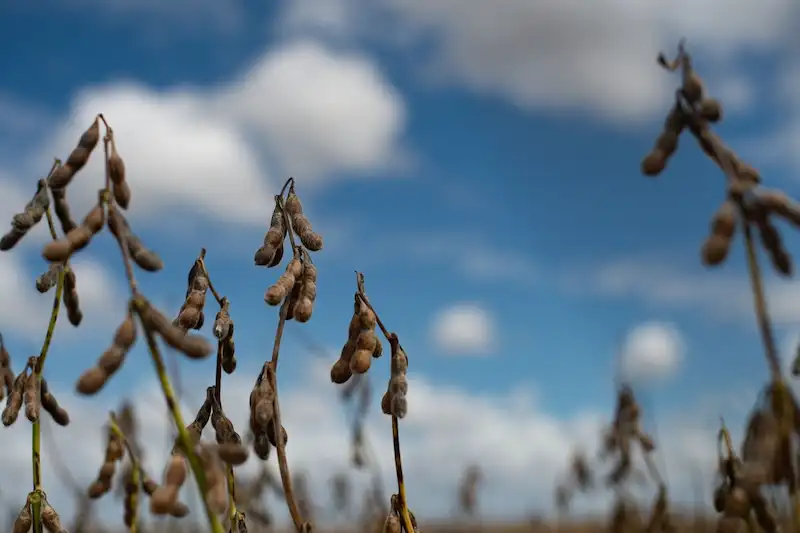


Brazil's domination of the global soybean market has reached a new level as it displaces the US as the top supplier. Chinese buyers, who are the major players in the market, are increasingly turning to Brazil for their soybean needs, even during the season when US exports are traditionally at their peak.
Traditionally, the US has been the leading supplier of soybeans to China, but Brazil's rising production and lower prices have led to a shift in market dynamics. Brazil's record-breaking crop and competitive pricing have made it an attractive option for Chinese buyers, who are now opting for Brazilian soybeans for delivery in October.
The increase in soybean trade between China and Brazil is not only an outcome of price competitiveness but also highlights President Luiz Inacio Lula da Silva's plan to strengthen relations with China and reduce dependence on the US. Lula's growth plan for the Brazilian economy focuses on closer ties with China, including securing more funding and reducing the reliance on the dollar in trade transactions.
The profitability for Chinese processors to crush Brazilian soybeans for cooking oil and animal feed is currently higher compared to US supplies, which has further incentivized Chinese buyers to favor Brazilian imports. As a result, Chinese buyers have started purchasing Brazilian cargoes earlier in the season, with the earliest-ever scheduling of vessels to pick up cargoes in September.
This trend comes at a time when US soybean crops are facing challenges due to hot and dry weather conditions. In June, the US soy crop was recorded to be in the worst condition in three decades, although recent rains have provided some relief to the Midwest. However, weather forecasts suggest that the hot and dry conditions are likely to return, which could further impact the US soybean supply.
The current situation in the soybean market is expected to have a lasting impact, as Brazilian production continues to expand and geopolitical tensions encourage China to deepen its ties with Brazil. These factors, combined with the unfavorable weather conditions in the US, indicate that the dominance of Brazilian soybeans in the global market is likely to persist.