


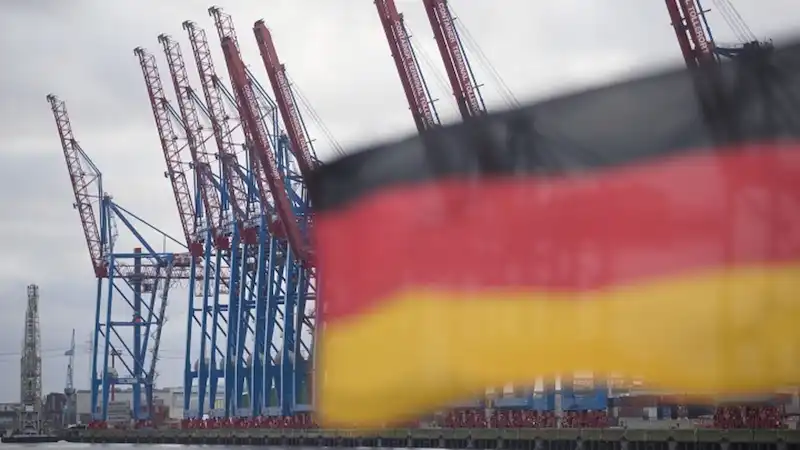


Germany's economy is on track to be the only one among the Group of Seven (G-7) countries to contract this year, according to the International Monetary Fund (IMF). The IMF's forecast, released on Tuesday, predicts a 0.3% decline in Germany's gross domestic product (GDP). This downward revision is attributed to the lingering impact of the energy crisis that led to a recession last year, which extended into the first quarter of this year. The IMF's projections align with those of Germany's Bundesbank, highlighting the challenges faced by Chancellor Olaf Scholz as he seeks to revitalize the growth model of the largest economy in Europe.
The biggest contributor to Germany's economic weakness is its manufacturing sector, which has borne the brunt of several factors. The energy squeeze, decreased demand from China, and tighter monetary policy have all taken a toll. Recent reports, including surveys of purchasing managers and the Ifo institute's business sentiment index, suggest that the slump in manufacturing may continue, raising concerns that the IMF's next forecast round could present an even bleaker outlook for Germany.
The Ifo President, Clemens Fuest, commented on the difficulties faced by the German economy, stating that it appears to be struggling to recover from this recession. The upcoming German data release next week will provide insight into whether the economy managed to recover in the second quarter or if it continued to contract.
Germany's economic performance is crucial not only for its domestic growth but also for the wider European economy. As one of the G-7 countries, its contraction has implications for the overall economic outlook in the group. The challenges Germany faces in restructuring its growth model will require careful planning and implementation of measures to revive its manufacturing sector and stimulate demand. Only time will tell whether Germany can overcome these obstacles and regain its economic momentum.