


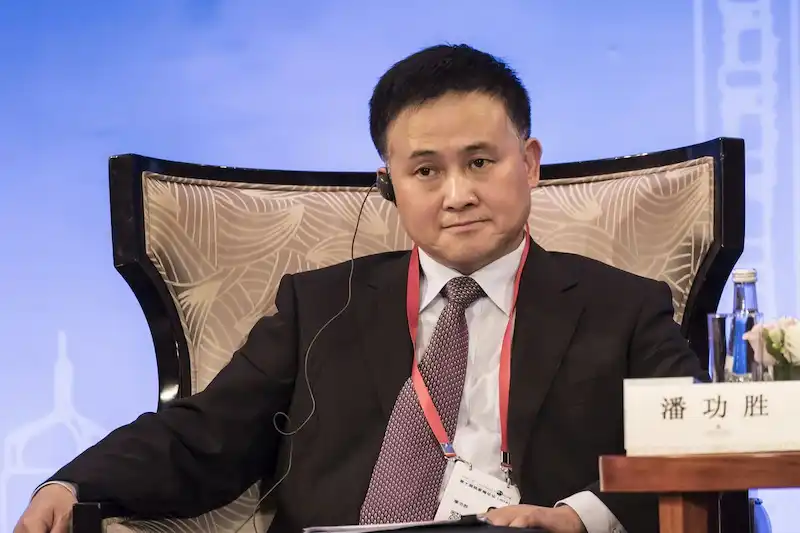


In a move aimed at strengthening the world's second-largest economy, China has appointed Pan Gongsheng as the new governor of the country's central bank. The appointment comes as Pan, a long-time central banker and former deputy at the People's Bank of China (PBOC), was also named as the Communist Party's secretary at the PBOC earlier this month. Pan takes over from Yi Gang, who reached the official retirement age of 65. This appointment signals Beijing's priority of maintaining policy continuity at a time when the country's economic recovery is showing signs of losing momentum.
Pan brings a wealth of experience to his new role. Having joined the PBOC in 2012, he has held senior positions at state banks, including the Industrial and Commercial Bank of China and the Agricultural Bank of China. Known for his technocratic approach, Pan has been a strong advocate for reforms, particularly in the banking sector and exchange rate policies. However, he has also taken a more cautious stance when it comes to the property market, implementing strict regulations to curb potential sources of instability.
Pan's appointment marks the first time since 2018 that both the governor and Communist Party secretary positions at the PBOC will be held by the same person, potentially streamlining decision-making processes. This move is reminiscent of former governor Zhou Xiaochuan's tenure, where he concurrently held both positions. With Pan's appointment, there are hopes for continued gradual market-oriented reforms that promote financial market liberalization, exchange rate reforms, and capital account opening.
Despite the positive outlook, analysts note that Pan faces numerous challenges given the current economic climate and the increasing political control that the Communist Party exercises over the financial sector. Pan's departure from the Communist Party's Central Committee last year was seen by some as an indication of his upcoming exit, raising questions about the central bank's influence. Unlike central banks in Western countries, the PBOC is not independent and requires approval from the State Council before making major policy decisions.
One of the key priorities for Pan will be navigating the current economic downturn, which has weighed on financial markets and raised concerns for businesses. Investors have been calling for more monetary stimulus, but under Yi Gang's leadership, the central bank has taken a cautious approach, focusing on curbing financial risks. Additionally, the property market's rebound is essential for the overall economic recovery. Pan is known for his hawkish stance on property regulations, although there are indications of potential policy easing in the sector.
In a separate development, the standing committee, China's top legislative body, replaced foreign minister Qin Gang after just seven months in the position, without providing an explanation for the sudden change. This change comes after President Xi Jinping recently gathered the Communist Party's Politburo to discuss economic policies and other matters.