


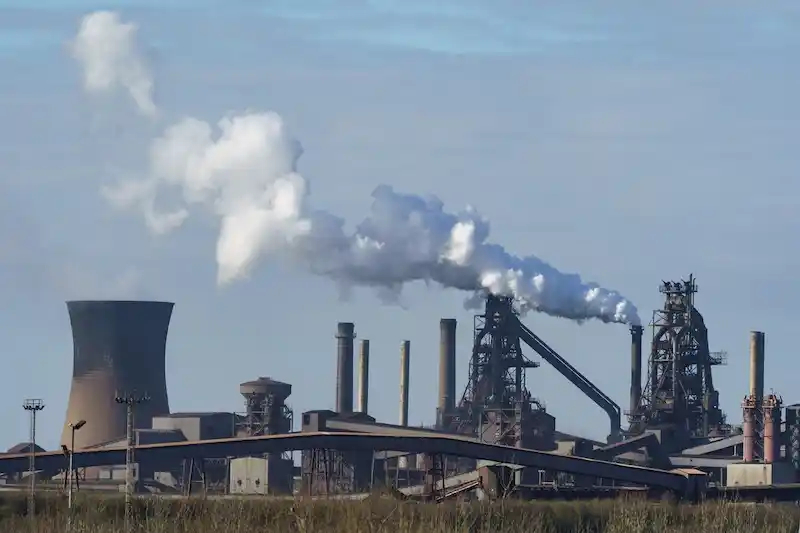


Greenhouse gas emissions in the UK have experienced a significant decline in the first quarter of 2023, marking the first decrease in two years. The drop can be attributed to a combination of factors, including a gradual easing in post-pandemic economic recovery and an increased contribution of renewable energy to the country's energy mix. According to data released by the Office for National Statistics (ONS), emissions on a residence basis, which includes both British residents and UK-registered businesses, amounted to an estimated 151 million tonnes of carbon dioxide equivalent during this period. This represents a 1.4% decrease compared to the same period in the previous year.
In recent years, UK emissions have shown a volatile pattern. They initially plummeted in 2020 due to the widespread impact of the coronavirus pandemic but rebounded in subsequent years as lockdown measures were lifted and international shipping and aviation resumed. However, the first quarter of 2023 saw a notable deviation from this upward trend, with greenhouse gas emissions dropping below the levels of 2019. This decline suggests a reduction in industrial energy consumption, as indicated by the ONS.
The ONS findings are further supported by official data released at the end of June, which revealed that renewable energy generation reached a record share of almost half of the total energy generated in the first quarter of 2023. This is a significant increase from a mere 5.8% in the same period thirteen years ago. The rise of renewable energy sources plays a crucial role in the overall reduction of greenhouse gas emissions and contributes to the country's commitment to combat climate change.
While this quarterly decline in emissions is certainly encouraging, it remains to be seen whether this trend will continue throughout the year. Sustainable and long-term strategies need to be implemented to ensure a sustained decrease in greenhouse gas emissions in the UK. This includes continued support for the renewable energy sector, as well as promoting energy efficiency and encouraging sustainable practices across industries. As the world tackles the pressing issue of climate change, it is imperative for countries to make concerted efforts to reduce their carbon footprint and transition to a low-carbon future.