


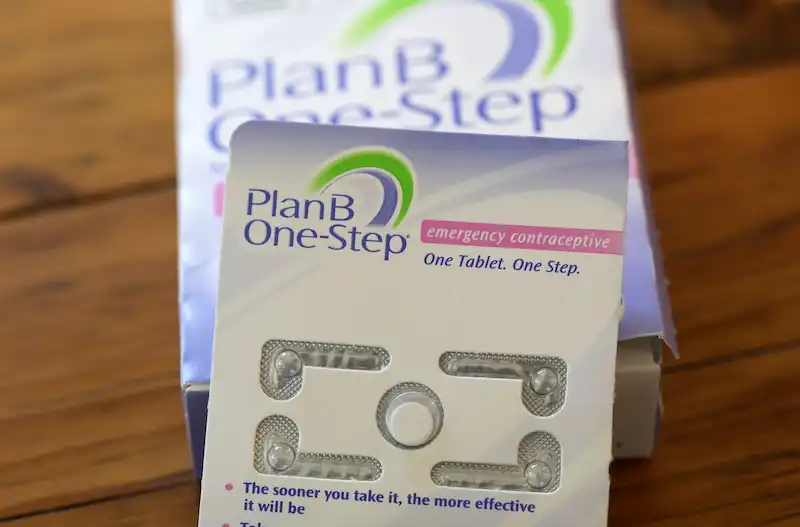


Private equity owners of Foundation Consumer Healthcare, the company behind the popular morning-after pill Plan B One-Step, are reportedly exploring the possibility of selling the company. According to sources familiar with the matter, Kelso & Co. and Juggernaut Capital Partners, among others, are working with financial advisers to evaluate potential options. It is believed that Foundation Consumer Healthcare could seek a valuation of over $4 billion for the business.
Foundation Consumer Healthcare, based in Pittsburgh, also owns several well-known over-the-counter brands, including Breath Right nasal strips, Campho-Phenique cold sore treatment, and Dimetapp cold medicine. The company is expected to attract interest from consumer health companies and other private equity firms.
The decision to explore a sale comes as demand for emergency contraceptive pills, such as Plan B, has surged in recent times. Customers have been stocking up on such products after the US Supreme Court's ruling that struck down certain constitutional abortion rights. This increased demand has been beneficial for Foundation, which generates approximately $500 million in revenue and $250 million in annual earnings before interest, taxes, depreciation, and amortization.
However, potential buyers may be hesitant to enter the reproductive rights debate due to political risks associated with owning emergency contraception products like Plan B. This concern could deter some companies from showing interest in acquiring the business.
It is worth noting that Foundation Consumer Healthcare acquired Plan B One-Step and other emergency contraception brands from Teva Pharmaceutical Industries in 2017 for $675 million, as announced in a press release at the time. Plan B One-Step is an emergency contraceptive that prevents pregnancy within 72 hours of unprotected sex by temporarily delaying ovulation. It does not affect existing pregnancies or cause abortion and can be purchased without a prescription.
In recent news, Perrigo Co.'s Opill received clearance from the US authorities as the first daily oral birth control product available without a prescription. This development is indicative of the evolving landscape and increasing options available to consumers in the contraception market.