


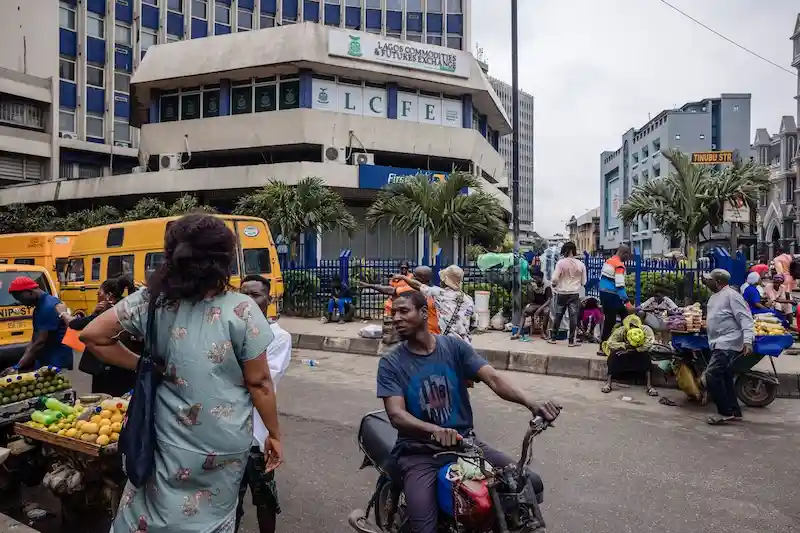


Nigeria's inflation rate has reached its highest level in 18 years, driven by skyrocketing transport costs and food prices. The country's consumer prices rose by an annual rate of 24.1% in July, compared to 22.8% in the previous month. This marks the highest level of inflation since September 2005, according to data published by the National Bureau of Statistics.
The surge in inflation was broad-based, with both food and core inflation experiencing notable increases. Annual food inflation rose to 27% in July from 25.3% in the previous month, while core inflation, which excludes farm produce, accelerated to 20.5% from 20.3%. These spikes can be attributed to various factors, including a 40% depreciation of the Nigerian naira against the US dollar since June, widening gaps between the official and parallel market rates, and the removal of fuel subsidies that were introduced in the 1970s.
The devaluation of the currency has been fueled by a scarcity of dollars, the easing of foreign exchange controls, and revelations about the lower-than-expected foreign exchange reserves available to the central bank. Acting central bank Governor Folashodun Shonubi recently stated that speculators are contributing to the widening spread between official and parallel market rates and warned that the central bank would take steps to address this issue.
The combined effects of currency pressures and the elimination of fuel subsidies may prompt the central bank's monetary policy committee to once again raise interest rates at its upcoming meeting on September 25-26. If this were to happen, it would be the ninth consecutive interest rate hike, with rates having been raised by a total of 725 basis points since May 2022. The central bank's primary objective is to tame the persistently high inflation that has remained well above its target range of 6% to 9% for over a year.
The increasing inflation levels in Nigeria pose significant challenges for the economy and the general population, as rising prices erode purchasing power and make it more difficult for individuals and businesses to plan and allocate resources effectively. The government, central bank, and other relevant stakeholders will need to implement measures to address the underlying causes of inflation and ensure the stability and growth of the Nigerian economy in the face of these mounting challenges.