


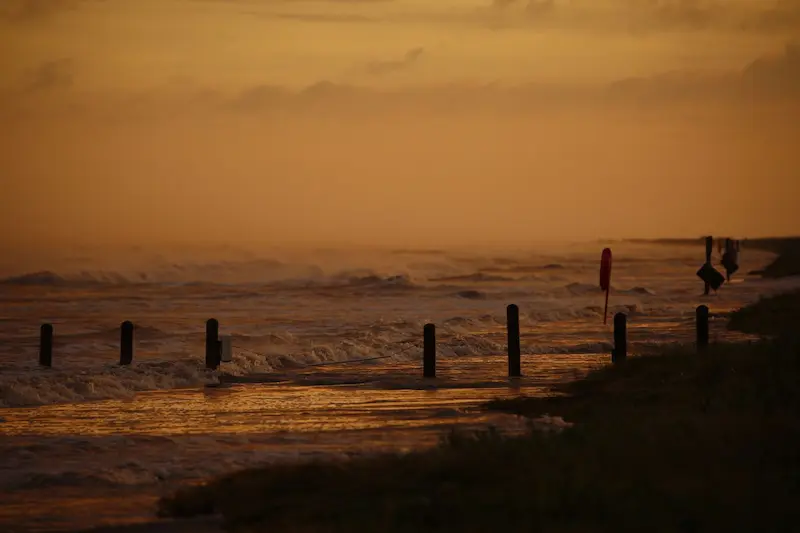


Tropical Storm Harold Makes its Way to Texas, Bringing Rain and Strong Winds. Tropical Storm Harold is predicted to hit the Texas coast within the next few hours, accompanied by winds reaching speeds of up to 45 miles per hour. The US National Hurricane Center has issued warnings for heavy rainfall in both Texas and northeast Mexico, with as much as five inches expected to fall in Texas and six inches in Mexico's Coahuila and Nuevo Leon regions. This intense rainfall has the potential to cause flash floods in both countries.
Interestingly, Harold is not the only named storm currently active in the Atlantic. Another storm, Tropical Storm Franklin, is heading towards the Dominican Republic and Haiti, projected to make landfall on Wednesday. The hurricane center anticipates that Franklin will bring substantial rainfall, possibly amounting to 10 inches, across the island of Hispaniola, which is home to both countries.
Meanwhile, the central regions of the United States are experiencing scorching temperatures, starting from Minnesota and extending all the way down to Texas. Cities in this area can expect to endure the blistering heat for the foreseeable future.
In southern Europe, fire fighters are battling to contain wildfires in Greece amidst persistently hot weather. Unfortunately, the region is expected to remain hotter than usual throughout the week.
Even in the Alps, temperatures have failed to drop below freezing during the past few nights. Claudio Tei, a meteorologist from the Italian National Research Council, highlights this unusual weather pattern. It is a cause for concern as lower temperatures are crucial for maintaining the stability of the region's ecosystem.
With Tropical Storm Harold threatening the Texas coast and Tropical Storm Franklin moving towards Hispaniola, it is imperative for residents in these areas to stay vigilant and take appropriate precautions. Heavy rainfall, strong winds, and potential flash floods pose risks to both property and personal safety. Additionally, individuals residing in the central US, southern Europe, and the Alpine region should also be aware of the extreme heat and increased fire hazards. It is crucial to stay informed about weather conditions and follow any advisories or warnings issued by local authorities to ensure the safety of the community.