


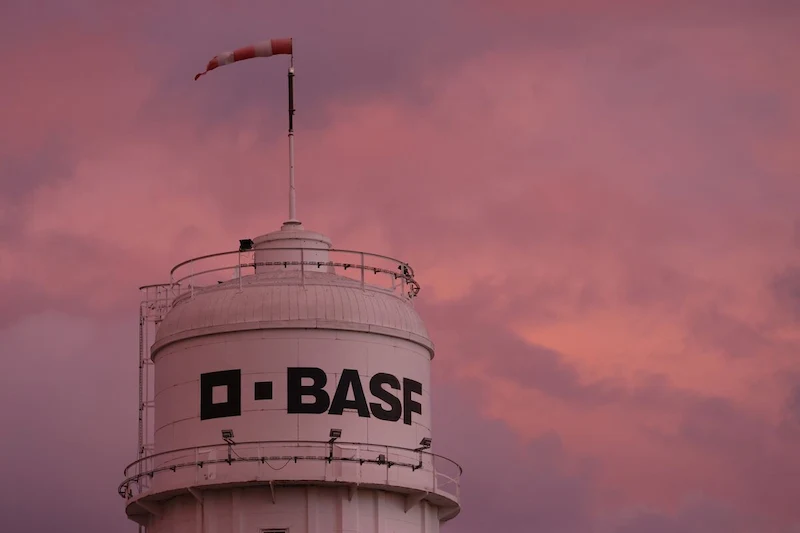


BASF, Germany's leading chemical company, has taken a significant step towards diversifying its energy and raw materials portfolio by securing a long-term liquefied natural gas (LNG) supply agreement with Cheniere Energy Inc. This deal is part of BASF's efforts to find an alternative fuel supplier to reduce its reliance on Russia.
Under the agreement, starting from mid-2026, BASF will receive approximately 800,000 tons of LNG annually from Cheniere. The contract extends through 2043, illustrating the company's commitment to long-term partnerships. However, the deal is contingent upon the final investment decision on the first train of the Sabine Pass expansion project in Louisiana.
This move by BASF highlights Germany's growing focus on long-term contracts, a departure from its previous reluctance to engage in such agreements during its transition to a low-carbon economy. With reduced pipeline supplies from Russia due to geopolitical tensions, LNG from the United States has become increasingly important in filling the gap.
Dirk Elvermann, CFO of BASF, emphasized that this partnership with Cheniere allows them to establish their own dedicated LNG supply chain. This diversification is crucial in a rapidly changing European gas market, characterized by a surge in demand and volatile LNG prices.
The sales and purchase agreement between BASF and Cheniere is based on a free-on-board basis and is linked to the U.S. Henry Hub price, along with a fixed liquefaction fee. This strategic collaboration not only ensures a stable and long-term supply of LNG for BASF but also contributes to reducing the company's carbon footprint, as natural gas is considered a relatively cleaner source of energy compared to other fossil fuels.
By securing this long-term LNG supply agreement, BASF is further strengthening its position in the market and reinforcing its commitment to sustainability. This partnership with Cheniere is not only a strategic move for BASF but also a step forward in Germany's energy transition, ensuring a diversified and secure energy supply for the country's industrial sector.