


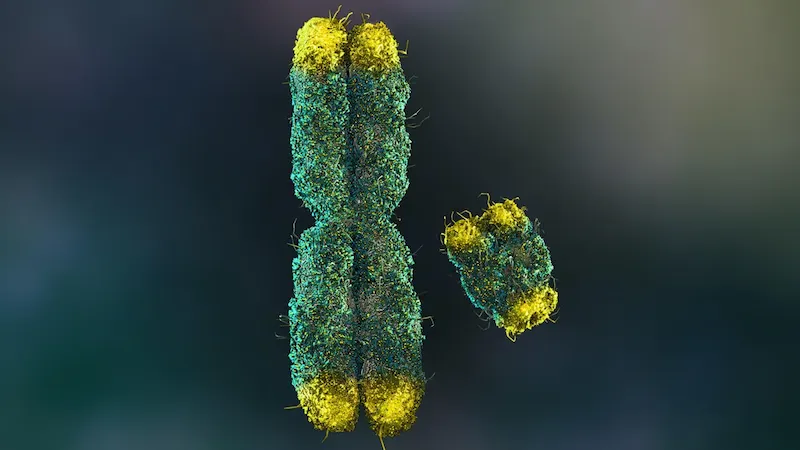


Scientists have successfully completed the full sequencing of the Y chromosome, revealing vital information that could have significant implications for the study of male infertility and other health conditions. This achievement marks a major milestone in the field of genetics, as it fills in the gaps that were previously left in the sequences of all 23 pairs of human chromosomes.
The Telomere-to-Telomere (T2T) Consortium, consisting of 100 scientists from around the world, has been working tirelessly to decode the human genome. In their initial attempts two decades ago, they were able to determine the genetic makeup of most human chromosomes. However, more than half of the sequences within the Y chromosome remained a mystery. Last year, the consortium made significant progress and filled in the missing information for the other chromosomes.
The Y chromosome, the smallest and most complex of the 46 human chromosomes, presented a unique challenge. Despite the comprehensive sequencing efforts, over 30 million letters of the Y chromosome were still unidentified. The repetitive nature of the Y chromosome's DNA made sequencing extremely difficult, as it contains numerous repetitive sequences along with palindromes, which complicated the assembly of the data.
Thanks to recent advancements in "long-read" sequencing technology and computational methods, the researchers were able to overcome these obstacles and achieve a complete reading of the Y chromosome. This breakthrough provides a detailed understanding of the chromosome's structure and enables further study of conditions and disorders linked to it, such as male infertility.
Recent studies have revealed the significance of the Y chromosome in maintaining overall health and longevity. Genes on the Y chromosome have been found to play crucial roles in preventing cancer and cardiovascular disease. Understanding the regulatory functions and encoded mRNA and proteins within the Y chromosome can offer valuable insights into age-associated diseases and potentially explain the shorter life spans of men compared to women.
Moreover, the complete Y chromosome sequence will aid scientists and doctors in investigating the phenomenon of Y chromosome loss in aging individuals. This loss has been associated with an increased risk of bladder cancer and heart disease. Having a comprehensive genetic reference for the Y chromosome will enable researchers to delve deeper into this connection and unravel the biological and health implications of Y chromosome loss.
The completion of the Y chromosome sequencing sets the stage for further advancements in the understanding of male health and disease. It paves the way for inclusive and equitable research by incorporating the full Y chromosome in future gene sequencing studies. By expanding our knowledge of this essential chromosome, scientists can gain a better understanding of its impact on male health and potentially develop targeted interventions for various conditions and disorders associated with it.