


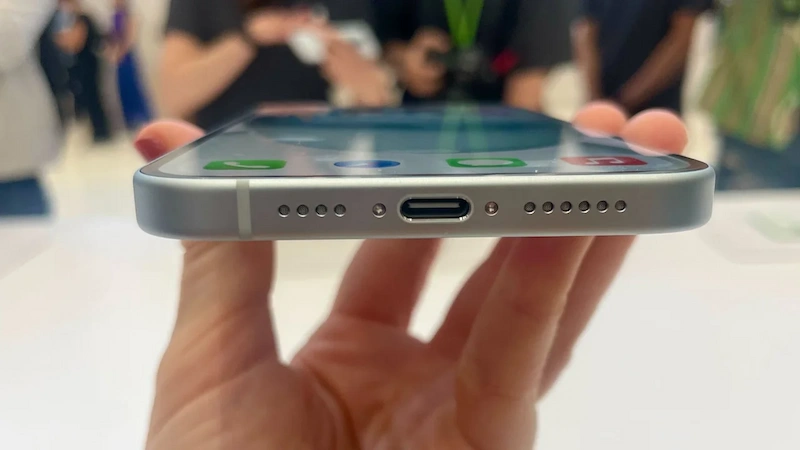


Apple has made a significant move by retiring its Lightning charger and embracing USB-C as the universal charging system for its devices. This decision, announced at the iPhone 15 event, means that all future iPhones, as well as the latest iteration of AirPods Pro, will now come with USB-C charging capabilities. While Apple had previously adopted USB-C for its iPads and MacBooks, it had been hesitant to make the change on its flagship iPhone until now.
The switch to USB-C charging aligns with the European Union's legislation, which requires all small devices, including smartphones, to support USB-C charging by 2024. The goal of this regulation is to reduce the number of chargers and cables in circulation and allows users to mix and match devices, even if manufactured by different brands. This means that Apple customers can now use the same USB-C chargers for their iPhones, iPads, and Mac computers, eliminating the need to search for the specific charger for each device.
While this transition promises convenience for consumers, there are some drawbacks. By embracing USB-C, Apple is relinquishing control over its proprietary wired charging ecosystem. The Lightning charger had allowed the company to have control over its accessories and generate substantial revenue from selling Lightning cables and related accessories. With USB-C being a more open and universal standard, Apple's control over this aspect diminishes.
However, using USB-C chargers from different manufacturers comes with its own set of challenges. It may be difficult for consumers to differentiate between good and bad chargers, as not all USB-C chargers are created equal. Some chargers may provide too much power, while others may not provide enough. It is essential to choose chargers from reputable brands that can regulate the flow of electricity and data to your phone.
The transition to USB-C is not expected to be a significant driver for iPhone upgrades, but it may appeal to consumers who were hesitant due to the charging limitations of previous iPhone models. Additionally, since USB-C is already widely used in many devices, finding charging cables shouldn't be too difficult or costly.
However, it's worth noting that retiring the Lightning cable could potentially lead to an increase in e-waste as users discard their old chargers. Apple does have a recycling program in place for chargers and cables, allowing users to bring them back for proper disposal. There are also local e-waste recycling centers and stores like Best Buy that provide environmentally friendly options for disposing of electronic waste.
In conclusion, Apple's decision to adopt USB-C as the standard charging system marks a significant milestone for the company. While there are challenges in terms of relinquishing control and discerning between good and bad chargers, the switch ultimately promises more convenience and compatibility for Apple users, aligning with the EU's efforts to reduce e-waste.