


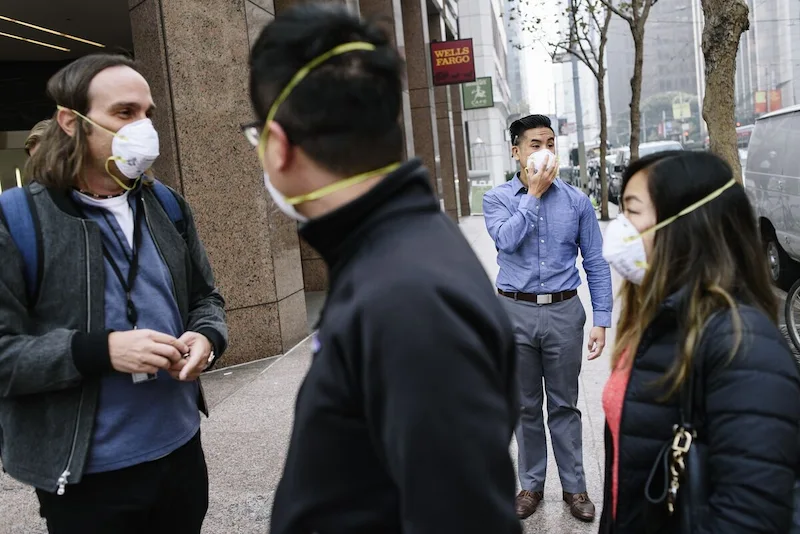


California's largest utility company is issuing a warning that it may need to implement power cuts to mitigate the risk of additional devastating wildfires in the state. This comes as smoke from wildfires burning in Northern California and Oregon permeates the air, posing a health hazard to residents of the San Francisco Bay Area. The Bay Area Air Quality Management District has advised people to stay indoors in order to minimize exposure to the smoke-filled skies. Furthermore, the National Weather Service has issued a fire weather watch for extensive regions of Northern California due to dry conditions and gusty winds.
PG&E, the utility company in question, has indicated that approximately 4,200 homes and businesses within the fire watch area could potentially have their power supply cut off to minimize the likelihood of their power lines igniting a fire. This proactive measure follows previous instances where the company's equipment was deemed responsible for some of the most catastrophic wildfires in California's history.
Presently, there are a total of 25 wildfires blazing across the Western United States, with 12 in Oregon, seven in Washington, and six in California, as reported by the National Interagency Fire Center. However, it is worth noting that fire risks in the US West have decreased this year, thanks in part to the heavy rainfall and snowfall experienced during the previous winter. These weather conditions played a crucial role in preventing the outbreak of wildfires. Since the beginning of the year, the US has witnessed 43,085 fires, which have consumed almost 2.3 million acres. By comparison, in 2022, there were 51,166 fires reported by September 19th, scorching 6.8 million acres. The ten-year average stands at 44,286 fires, affecting just over 6 million acres.
While the decrease in fire incidents is a positive development, the current situation in California and Oregon serves as a stark reminder of the ongoing threat posed by wildfires. It reinforces the importance of proactive measures, such as power cuts, to mitigate the risk and protect communities from potentially catastrophic outcomes.