


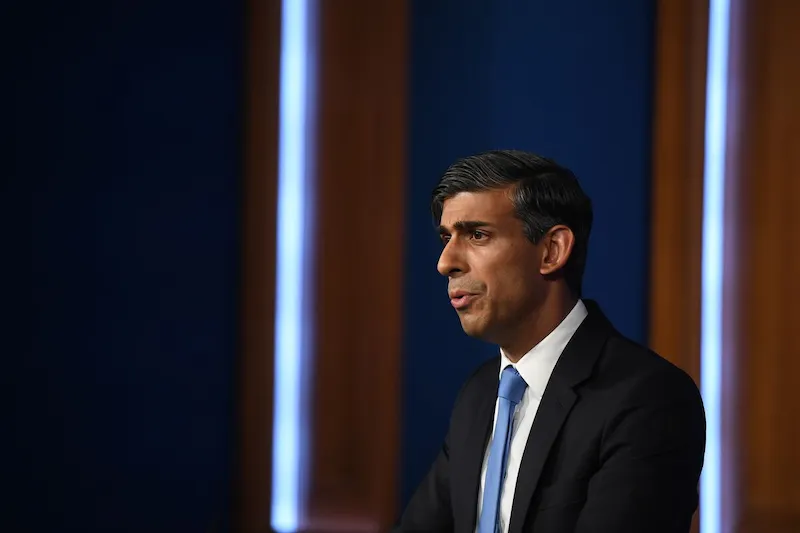


UK Prime Minister Rishi Sunak is reportedly planning to reduce the country's inheritance tax as part of a bid to gain support ahead of the next general election. The Times has reported that Sunak is likely to make an announcement on the proposed tax changes before the Conservative Party conference next month. The discussions surrounding the inheritance tax are said to be taking place at the highest levels of the government, according to the newspaper's sources which remain unnamed.
At present, the inheritance tax in the UK stands at 40% for estates valued over £325,000 ($400,000). However, an additional allowance of £175,000 is granted if the main residence is passed on to children or grandchildren. Sunak's plans seek to alleviate the burden on families by reducing the tax liability associated with inherited wealth.
This move is likely to be seen as an attempt by Sunak and the Conservative Party to appeal to older and wealthier voters, who may be concerned about the impact of inheritance tax on their estates. By reducing the tax, Sunak aims to present himself and his party as champions of inheritors and family wealth preservation.
The inheritance tax has long been a topic of debate in the UK, with critics arguing that it discourages individuals from passing on their wealth and stifles economic growth. Supporters, on the other hand, contend that it promotes equality and helps finance public services. Sunak's proposed reduction could potentially ignite controversy and lead to further discussions on the role and purpose of inheritance tax in society.
It remains to be seen the extent to which Sunak's plans will be implemented, as any changes to tax policy require parliamentary approval. However, with inheritance tax being a contentious and politically charged issue, it is expected to attract significant attention and scrutiny in the coming months as the government outlines its agenda ahead of the general election.