


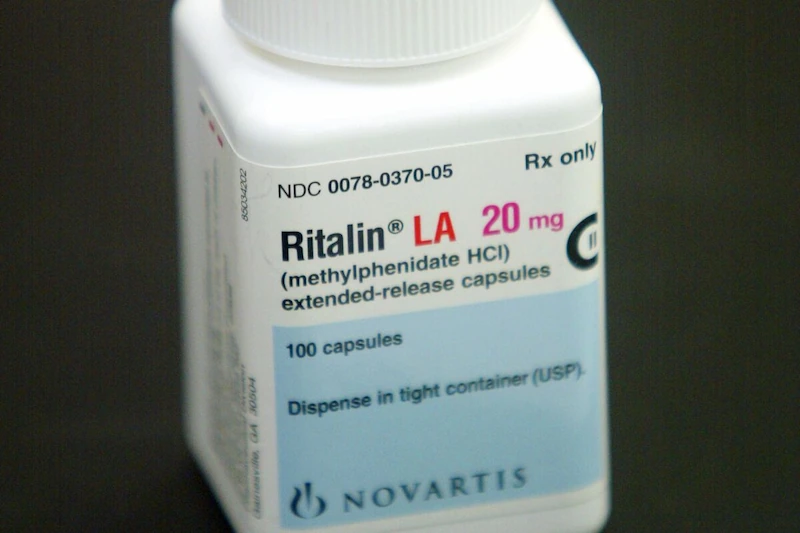


The Drug Enforcement Administration (DEA) has taken a significant step in addressing the shortage of ADHD medications in the United States. In response to nationwide shortages of drugs like Ritalin and Concerta, the DEA has increased the limit on the production of these medications, as well as their generic versions. This move aims to ensure that there is an adequate and uninterrupted supply of these medications to meet the legitimate needs of patients.
The DEA allows the manufacturing of 53.3 million grams of the active ingredient, methylphenidate, this year, surpassing the earlier limit of 41.8 million grams. The decision to adjust the limit comes after the Food and Drug Administration (FDA) requested the DEA to take action to address the supply issue. The FDA recognized the urgency of the situation and sought an increase in production to alleviate the shortage.
Generic ADHD treatments, which are used by millions of Americans, have been experiencing shortages for the past year, starting with Adderall. These medications are classified as controlled substances due to their potential for addiction and abuse. However, the manufacturing controls have made it challenging for pharmaceutical companies to meet the high demand for these drugs.
The shortage of ADHD medications has caused significant inconvenience and distress for individuals who rely on them for their treatment. Patients have been forced to endure periods without access to medication, which can have severe consequences for their daily functioning and overall well-being.
The increase in production limits for Ritalin, Concerta, and their generic versions is a step in the right direction to address the supply shortages. It is hoped that this adjustment will help alleviate the strain on patients and ensure a steady and consistent supply of ADHD medications in the market.
While this decision by the DEA is a positive development, it is essential for regulatory authorities, pharmaceutical companies, and healthcare providers to work collaboratively to find long-term solutions to the supply issues and prevent such shortages from happening in the future. The well-being of individuals who rely on ADHD medications should be prioritized to ensure they can access the treatment they need without disruption or delay.