


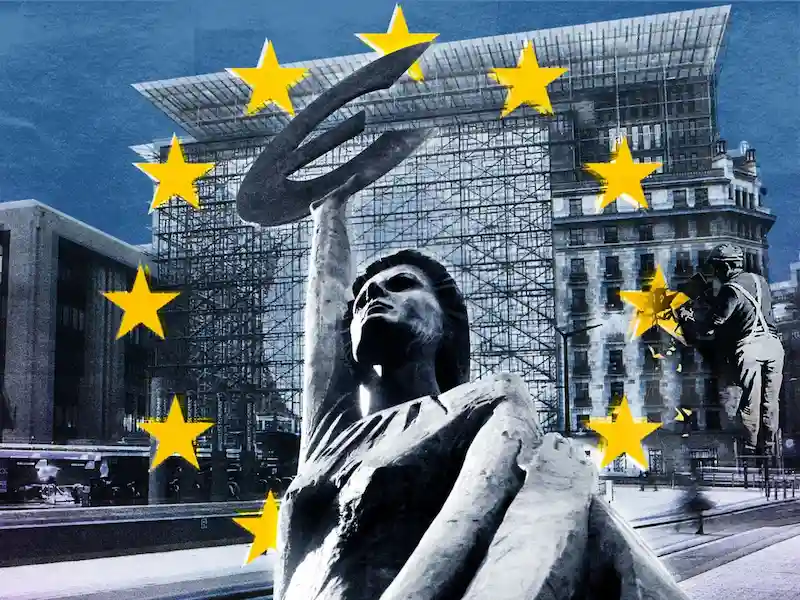


Spain's Prime Minister, Pedro Sanchez, had high hopes for the European summit held in his country, as he aimed to boost his international standing while negotiating a new coalition government. However, the event did not go as planned. Several leaders, including those from Turkey and Azerbaijan, canceled their attendance, raising concerns over the importance of dialogue and cooperation. Meanwhile, UK Prime Minister Rishi Sunak's decision to hold a separate meeting on migration with other leaders overshadowed the main summit, leading to the cancellation of the day's scheduled news conference. Migration became the dominant issue, overshadowing other EU summit discussions.
Amidst the disappointments, there was a silver lining for Sanchez as Ukrainian President Volodymyr Zelenskiy agreed to attend after Sanchez promised increased weapons deliveries. However, the overall mood of the summit was tainted by the absence of key leaders and the diversion caused by parallel meetings.
The next European Political Community summit will be hosted by the UK in spring 2024, focusing on immigration. This will be followed by a summit in Hungary, a country that has been critical of the EU's migration policies and reluctant to implement agreed-upon measures.
NATO is faced with a new challenge in its proximity, with Russia targeting export routes from Black Sea ports near Odesa. This poses a threat not only to the region's stability but also brings the risk of escalation closer to NATO's shores. The alliance now faces the dilemma of addressing the spillover from Russia's actions without provoking further escalations.
In Ireland, the imminent budget announcement is set to turn the country's impressive fiscal surplus into a contentious issue. While Ireland is on track to achieve one of the few surpluses among euro-area countries, there is disagreement among politicians and economists on how to allocate these funds effectively.
Italy's main highway operator, Autostrade, is at the center of a potential takeover bid that exposes the clashes within Giorgia Meloni's coalition government. As rival parties position themselves ahead of the upcoming European elections, conflicting visions for the country's future are becoming apparent, and Meloni seeks to reconcile these differences.
Milan's transformation into a hub for the wealthy has brought both benefits and challenges. While the influx of affluent residents brings tax revenue and job opportunities, it also contributes to rising living costs, exacerbating the wealth divide between Milan and the rest of Italy. Housing prices in the city now far exceed those in other regions, intensifying social and economic imbalances.
Carmakers and steelmakers are entering into agreements for "green steel," using these deals to showcase their environmental commitments. However, the steel production process still heavily relies on fossil fuels, raising questions about the actual sustainability of these initiatives and the timeline for transitioning to truly carbon-free alternatives.
Finally, the iconic Notre Dame cathedral in Paris is undergoing an interior restoration to restore its former glory along the Seine. While the renovation will not be completed in time for the Paris Olympics, visitors to the city will witness the gradual revival of this historic landmark, symbolizing resilience and the preservation of cultural heritage.