


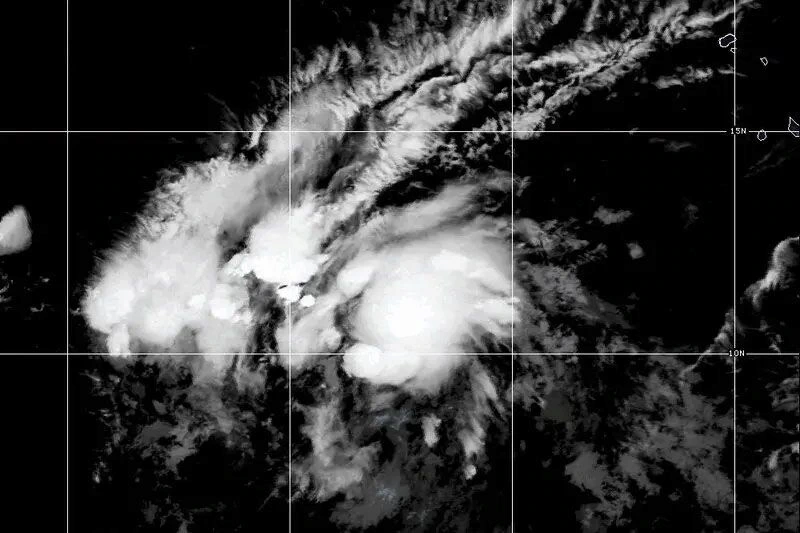


Tropical Storm Sean has caught the attention of weather experts due to its unusual timing and location. This storm has formed further east than any mid-October tropical storm on record, breaking previous records, according to Phil Klotzbach, a hurricane researcher at Colorado State University. Typically, by this time of year, most storms form in the western Atlantic or the Caribbean Sea.
Adding to the intrigue, Sean is the 19th storm of the 2023 hurricane season, which ties it with significant storm years like 1887, 1995, 2010, 2011, and 2012, as reported by Colorado State University's data. It's worth noting that the year is not over yet, and the university's forecast suggests that there is a good chance more storms will form in the coming weeks. In fact, there is currently a 70% chance that a cluster of thunderstorms and showers trailing Sean across the Atlantic could develop into a storm in the next week, according to the US National Hurricane Center.
While Sean's formation in an unprecedented location and its status as the 19th storm of the year are noteworthy, it is likely that the storm will eventually dissipate in the Atlantic. However, its peculiar characteristics serve as a reminder of the increasing frequency and intensity of storms in recent years.
Furthermore, this year has seen an impressive number of tropical storms and hurricanes. Although it falls short of the record-breaking 30 storms witnessed in 2020, the Atlantic basin has already produced 19 storms in 2023 alone, according to data from Colorado State University. This five-year period has seen a staggering total of 102 storms, reflecting the heightened activity in the Atlantic.
In other weather-related news, Typhoon Bolaven is currently skirting Japan and on its way into the North Pacific in the Pacific region. Meanwhile, in the United States, the Great Plains states are experiencing high winds, extending from South Dakota to the Texas panhandle. Additionally, freeze warnings have been issued across much of the western US as the seasons transition.
Looking at Europe, most of northwest Europe is expected to face below-normal temperatures over the weekend and into early next week, according to weather forecaster Maxar. The cold snap is anticipated to intensify in parts of Germany and the Nordic countries, further impacting the region.
As we witness some unusual weather patterns and events across the globe, it becomes increasingly important to monitor and understand these phenomena, in order to better adapt and mitigate the potential impacts they may bring.