


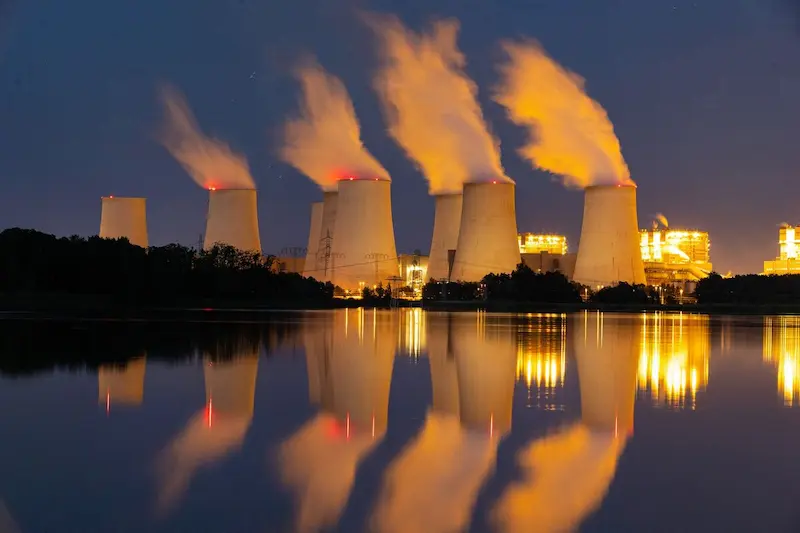


Germany has made the decision to fire up a refurbished coal unit as a cold spell grips the region, posing a challenge to energy supplies. The Jänschwalde block F, part of a power plant in eastern Germany, began generating power on Sunday. With a capacity of 500 megawatts, this unit was operational last winter, placed in reserve in July, and is now being fully utilized to bolster energy supplies.
This move comes after last year's energy crisis, which compelled Germany to temporarily increase its reliance on coal due to a shutdown of Russian pipeline gas supplies. While this reliance on coal may hinder the government's efforts to reduce harmful emissions, it is a strategic measure aimed at ensuring stable prices for consumers during the heating season.
LEAG, the operator of the power plant, has also indicated that the second unit of the lignite plant, block E, can be connected to the power grid within a short period of time. This unit, with an additional 500 megawatts of capacity, further strengthens Germany's energy infrastructure during this challenging period.
According to Economy Minister Robert Habeck, there will be no need to reactivate old reserve plants in the upcoming winter of 2024-2025. This suggests that Germany is actively seeking long-term solutions to meet its energy needs while minimizing reliance on fossil fuels.
The cold snap that has swept through northern Europe has pushed temperatures below seasonal norms, putting additional strain on energy infrastructure. As demand for heating rises to keep factories operational and homes warm, Germany's grid capacity has tightened. Consequently, spot prices for energy on Monday soared to €133.70 per megawatt-hour on Epex Spot SE, marking the highest price seen in over a month. The limited output from renewable energy sources due to low levels of sunshine and wind has contributed to this surge in prices.
Germany's decision to deploy additional coal power underscores the challenges faced by the country as it strives to balance energy security, affordability, and sustainability. While coal remains a controversial energy source due to its high carbon emissions, Germany may view it as a temporary solution to meet immediate demands during extreme weather conditions. The government's focus, however, is likely to remain on transitioning to cleaner and more sustainable energy sources in the long run.