




Morocco is set to gradually reduce subsidies on cooking gas starting next year, signaling the government's determination to balance its budget despite significant financial commitments. The largest component of Morocco's subsidy program, support for butane canisters, will start being phased out in April 2023. This move is projected to save the government at least 12 billion dirhams ($1.17 billion) by 2026, as revealed by Prime Minister Aziz Akhannouch during a parliamentary session on Monday.
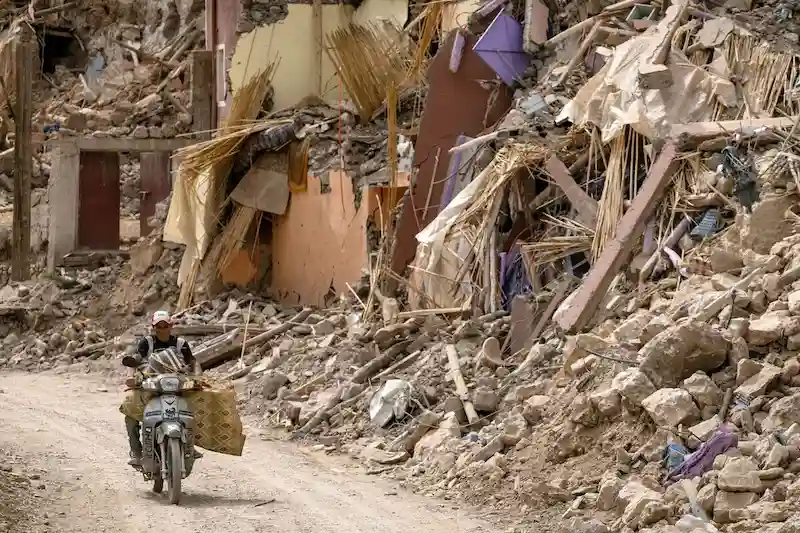
This decision represents the most significant trimming of subsidies in the country over the past decade. The Moroccan authorities are facing substantial financial challenges, including a reconstruction bill of 120 billion dirhams from 2024 to 2028 to repair areas affected by a devastating earthquake in September. Additionally, the government is allocating 20 billion dirhams for the renovation of football stadiums in preparation for the 2025 African championship and the co-hosting of the FIFA World Cup with Spain and Portugal in 2030.
Morocco's subsidy spending rose significantly due to the repercussions of Russia's invasion of Ukraine. However, the government has now committed to implementing "budgetary rigor" and aims to reduce the budget deficit to 4% of the gross domestic product by 2024, down from a projected 4.5% this year.
Despite the subsidy cuts, the Moroccan government remains committed to supporting the most vulnerable households. The phasing out of subsidies will allow authorities to implement King Mohammed VI's plan for a "social safety shield." As part of this initiative, direct cash transfers of at least 500 dirhams per month will begin in December.
This move reflects the government's focus on targeted support for those in need while gradually removing blanket subsidies that have put a strain on the country's finances. By redirecting funds from subsidies to targeted aid programs, Morocco aims to strike a balance between fiscal responsibility and ensuring social welfare for its citizens.
As the country prepares for major events like the World Cup and manages the costs associated with earthquake recovery, Morocco's decision to phase out subsidies demonstrates its commitment to finding sustainable solutions and navigating the financial challenges that lie ahead.