


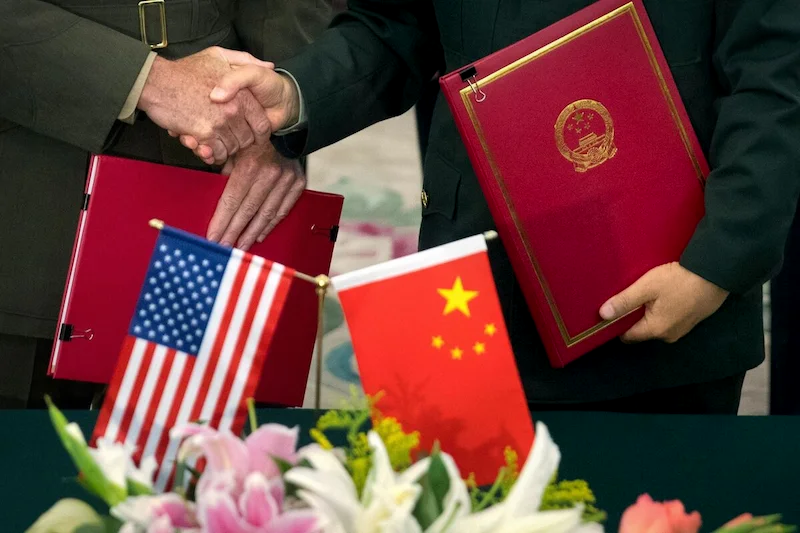


After a long six-year gap, Chinese grain companies and US agricultural entities came together once again for a formal contract-signing ceremony. This historic event marks a significant step towards repairing the trade relations between the two nations, which were strained during the Trump-era trade dispute. The ceremony took place during a forum in Iowa, where buyers including Sinograin and COFCO International signed 11 agreements with major crop traders such as Archer-Daniels-Midland Co., Bunge Ltd., and Cargill Inc.
Prior to the trade dispute that erupted during the tenure of former US President Donald Trump, these contract-signing ceremonies were a common occurrence. However, the last ceremony took place in 2017, and the subsequent years saw a decline in the purchases of US farm goods by China. While Chinese imports of US agricultural products have rebounded in recent years, the Asian nation has also diversified its sourcing and increased its purchases from countries like Brazil.
The terms and timelines of the 11 nonbinding agreements remain undisclosed. However, Xie Feng, China's ambassador to the US, stated that these deals represent "multiple billions in value." The significance of this ceremony lies not only in the economic value it holds but also in the symbolic gesture of cooperation between the two nations. It serves as an encouraging sign of improved trade relations and enhanced collaboration in the agricultural sector.
The reinstatement of these contracts between Chinese grain companies and US agricultural giants is expected to provide a boost to American farmers, who have faced challenges due to trade disruptions in recent years. The agreement emphasizes the importance of agricultural trade as a cornerstone of the US-China economic relationship.
This positive development is also likely to benefit the US soybean industry, which has been seeking to regain its position as a major supplier to China. Prior to the trade dispute, China was the largest market for US soybeans, but the subsequent tariffs imposed on American agricultural products had a significant impact on soybean exports. Re-establishing trade ties will help revive this important market for American soybean farmers.
While the signing of these agreements is a significant milestone, it is important to note that they are nonbinding, meaning that the actual purchases will depend on several factors, including market conditions, pricing, and trade policies. However, the signing ceremony itself symbolizes the intent to strengthen bilateral trade relations and lays the groundwork for potential future collaborations in the agricultural sector.
Overall, the recent contract-signing ceremony between Chinese grain companies and US agricultural entities signifies a positive step towards normalizing trade relations and reviving agricultural cooperation. As the two countries move forward, it is hoped that these agreements will not only benefit both economies but also contribute to a more stable and beneficial trade environment for the global agricultural industry.