


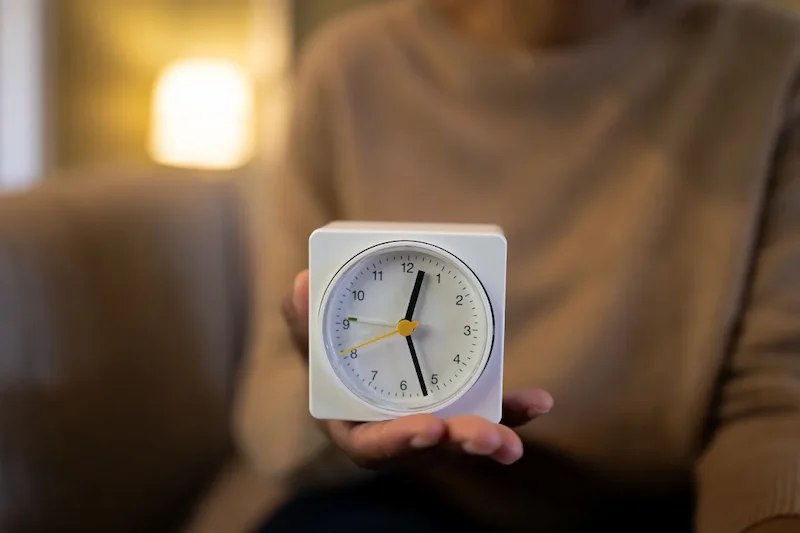


As daylight saving time comes to an end, many of us look forward to gaining an extra hour of sleep. However, for some individuals, the time change can bring about significant health problems, specifically headaches. Cluster headaches, in particular, tend to be triggered by the end of daylight saving time. Cluster headache attacks can occur daily for several weeks, and the change in time is believed to play a role in triggering these cycles.
The connection between the time change and cluster headaches lies in the fact that the hypothalamus, the region of the brain responsible for managing circadian rhythms, is also involved in generating cluster headaches. Therefore, disrupting the circadian rhythm through daylight saving time changes can potentially trigger these painful headaches.
Additionally, the time change can also worsen migraines for some individuals. Migraine sufferers often experience sleep disturbances or sleep deprivation, which can be exacerbated by the change in time. This can lead to an increase in the frequency and intensity of migraines during this period.
Apart from headaches, the end of daylight saving time can also impact mental health. With reduced light and shorter fall and winter days, some individuals may experience an increase in seasonal affective disorder (SAD). SAD is a type of depression that is triggered by the changing seasons and the decrease in daylight. While the time change itself does not directly cause mental health conditions, it can significantly affect those with preexisting conditions, making them more susceptible to mood changes and depressive symptoms.
It is worth noting that individuals with Alzheimer's and dementia are particularly vulnerable to sleep disturbances. The disruption caused by daylight saving time can worsen their symptoms, as they already experience irregular sleep patterns and daytime drowsiness due to cognitive impairments. Proper sleep plays a crucial role in cognitive function and memory consolidation, and disturbances can further affect their cognitive decline, making daily activities and independence more challenging.
To minimize the impact of the time change, it is important to be aware of these potential health issues. Caregivers of individuals with Alzheimer's or dementia should be particularly mindful and observant during this time. Gradually adjusting schedules, engaging in regular exercise, spending time outdoors in the morning, and utilizing light therapy can all be helpful strategies to mitigate the effects of the time change during fall and winter.
Furthermore, individuals who are prone to migraines or have preexisting mental health conditions should ensure they have their medications readily available. If you experience a worsening headache or notice that your usual medications are not effective, it is crucial to seek medical attention promptly. Don't hesitate to consult with a healthcare professional to address any concerning changes in mood or overall well-being.
In conclusion, the end of daylight saving time can have significant implications on our health, particularly regarding headaches, mood, and cognition. By being aware of these potential issues and taking proactive measures, we can better protect ourselves and mitigate the impact of the time change on our well-being.