


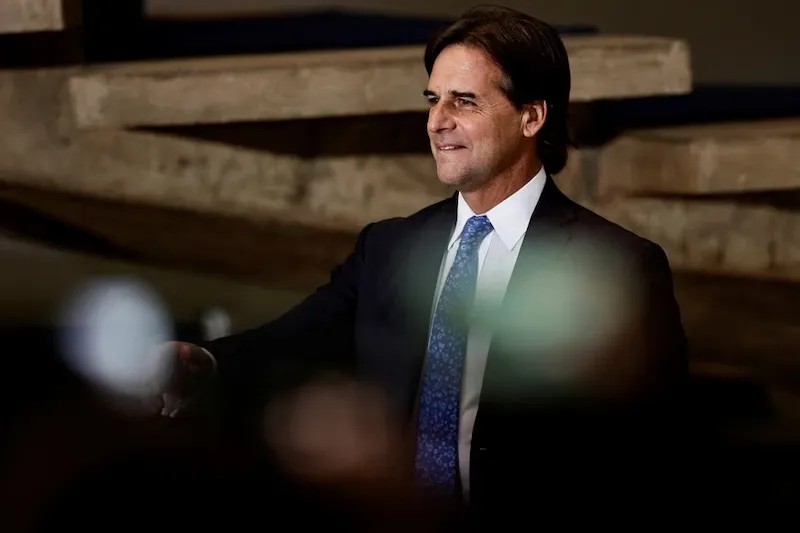


Government officials in Uruguay have resigned following a scandal involving the issuance of a passport to a globally wanted drug-trafficking suspect. Interior Minister Luis Alberto Heber, a cabinet undersecretary, and a chief adviser to President Luis Lacalle Pou will no longer be part of the coalition government effective Monday. This comes after Foreign Minister Francisco Bustillo resigned earlier in the week. The investigation is focused on how Sebastian Marset, the alleged drug trafficker, obtained a Uruguayan passport while he was detained in the United Arab Emirates over forged documents in 2012.
Marset is wanted by multiple countries, including Uruguay, Paraguay, Brazil, and the United States, on drug-related charges. The case has raised questions about the procedures and oversight surrounding the issuance of passports in Uruguay. The resignation of key government officials indicates the seriousness of the issue and the need for accountability.
The scandal deepened with the release of a phone call recording from November 2022, in which Foreign Minister Bustillo appeared to suggest withholding evidence related to the passport investigation. However, he denied any wrongdoing, claiming he was unaware of Marset's identity at the time the passport was issued. Bustillo defended the actions of the foreign ministry, stating that they followed protocol in issuing the document.
President Lacalle Pou, who recently met with US President Joe Biden, expressed his disapproval of a drug trafficker possessing a passport but emphasized that the issuance was in accordance with the country's laws. He asserted that officials involved in the case, including Heber and Bustillo, bear no legal responsibility for the situation but would face legal proceedings if necessary.
The passport scandal sheds light on the need for stricter regulations and enhanced scrutiny in the passport issuance process to prevent criminals from exploiting loopholes for their benefit. The incident has also highlighted the importance of holding government officials accountable for their actions and ensuring transparency in governance.
Moving forward, it will be crucial for Uruguay's government to address the flaws exposed by this case and take measures to restore public trust. Implementing reforms, strengthening oversight mechanisms, and conducting a thorough investigation into the passport issuance process are necessary steps towards preventing similar incidents in the future and upholding the rule of law.