


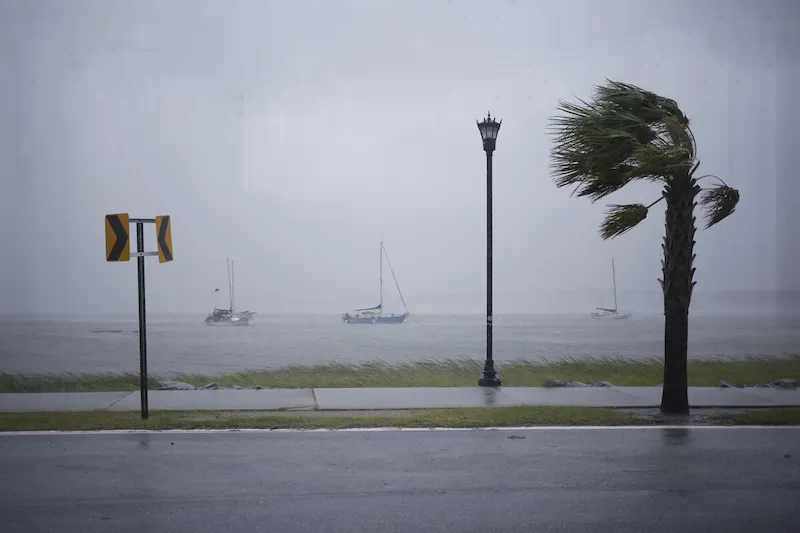


An intensifying storm in the Caribbean is causing heavy rainfall and has sparked tropical storm watches in Jamaica, Haiti, and Cuba. While this storm has not yet received a name from the National Hurricane Center, it is not expected to pose a threat to the United States. Designated as potential tropical cyclone 22, the system is projected to bring 5 to 10 inches of rain to areas including Panama, Costa Rica, Jamaica, Cuba, and Hispaniola (home to Haiti and the Dominican Republic) through Sunday. As of early Friday, the storm's core was located approximately 260 miles west-southwest of Kingston, Jamaica, with winds of 35 miles per hour.
The hurricane center predicts that the storm's winds will reach a peak of about 50 mph as it moves through the Caribbean and the Bahamas before ultimately spinning into the open Atlantic next week. If it attains tropical storm strength, it will be named Vince, making it the 21st named storm of 2023, tying this year with 2021 as the Atlantic's third most active hurricane season since records began in 1851.
Even without the potential storm Vince, this year has seen significant storm activity in the Atlantic. However, many of these storms have veered away harmlessly into the open sea. When reflecting upon the year's tropical weather events, it is likely that Pacific hurricanes Otis, which wreaked havoc in Acapulco as a catastrophic Category 5 storm, and Hilary, an unusual system that struck California, will be unforgettable.
In a separate weather development, Tropical Cyclone Midhili has strengthened to a tropical storm in the Bay of Bengal and is headed towards landfall in Bangladesh near Khepupara. The India Meteorological Department has issued a statement warning of heavy rainfall and potentially damaging winds upon its arrival. The region must prepare for the impact of this storm.