


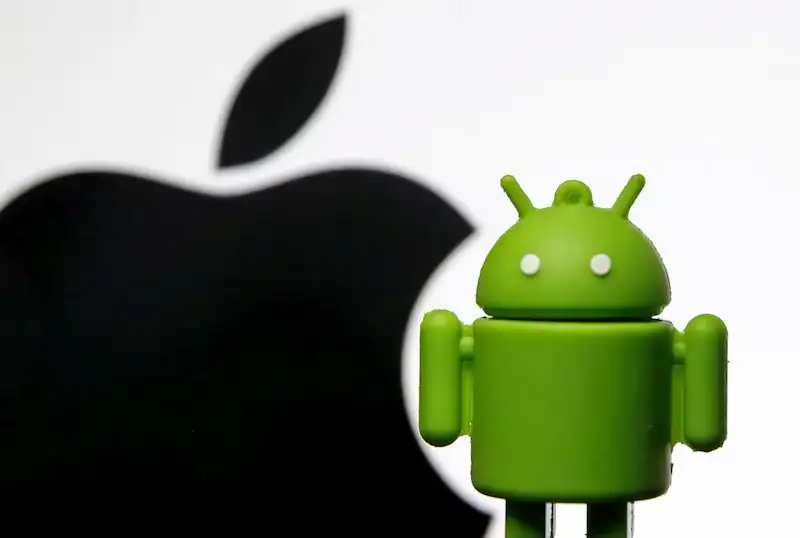


Apple has finally announced its plans to adopt a messaging standard next year, signaling a significant shift in its approach to messaging between iPhones and Android devices. The company had been resisting the Rich Communication Services (RCS) standard for over a year, despite Google and other tech giants advocating for its adoption by Apple.
The new technology is expected to work alongside Apple's popular iMessage service, promising users a smoother texting experience and improved interoperability. By embracing RCS, Apple aims to provide users with more advanced features than traditional SMS or MMS, enabling them to send and receive high-quality photos and videos, chat over WiFi or cellular data, and even track message read receipts.
RCS has long been considered an industry standard for messaging, offering an array of capabilities that enhance the overall user experience. Its adoption by Apple will undoubtedly bridge the communication gap between iPhone and Android users, allowing for seamless messaging across different platforms.
For years, iPhone users have enjoyed the exclusive benefits of iMessage, while Android users have had to rely on less feature-rich messaging options like SMS. This led to a frustrating disparity in user experience when communicating between the two platforms. However, with Apple's decision to implement RCS, this imbalance is likely to be corrected, offering Android users a more integrated and feature-packed messaging service.
Furthermore, the adoption of RCS by Apple will likely spur increased innovation and competition within the messaging space. As more users gain access to the advanced features that RCS provides, developers and tech companies will be encouraged to further enhance and expand the capabilities of messaging applications.
While Apple has not explicitly mentioned when the RCS implementation will be rolled out, the technology is expected to make its debut next year. This means that iPhone users will soon be able to enjoy better cross-platform messaging, making it easier to communicate and share content with their Android counterparts.
Apple's decision to embrace RCS is a positive development for the messaging ecosystem as a whole. By enabling improved interoperability between different platforms, barriers to effective communication are gradually being dismantled. As technology continues to evolve, interoperability is becoming an increasingly vital aspect of digital communication, and Apple's move sets a precedent for other companies to follow suit.
In conclusion, Apple's announcement to adopt RCS as a messaging standard for iPhones is a significant step forward in fostering a more connected and inclusive messaging landscape. With enhanced features and better interoperability, users can look forward to a streamlined texting experience, regardless of whether they are using an iPhone or an Android device.