


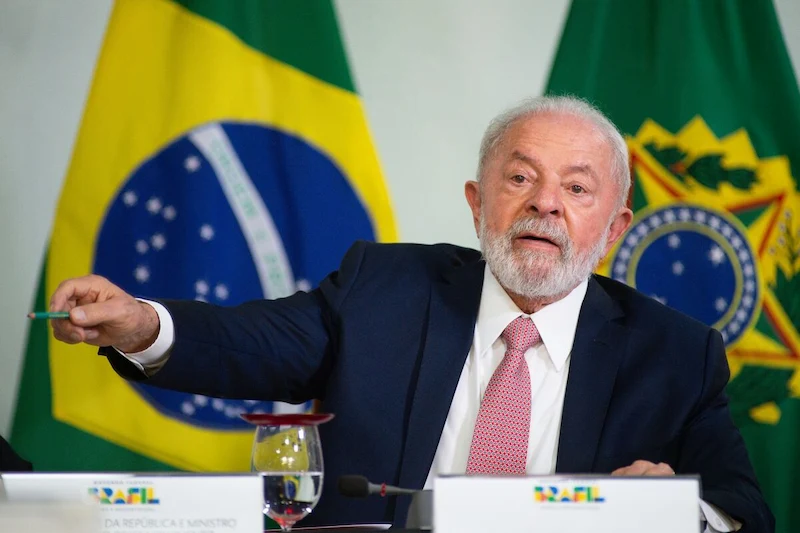


Brazil's leader, Luiz Inacio Lula da Silva, is taking steps to overcome political differences with Argentine President-elect Javier Milei in an effort to establish a working relationship after months of tension. Lula expressed his intention to address the political problems in South America and emphasized the need for intelligent dialogue and democratic convergence in times of adversity. While he acknowledged that he doesn't need to be friends with the leaders of neighboring countries, he emphasized the importance of maintaining a productive working relationship.
Milei's resounding victory in Argentina's recent election has raised doubts about the future of Argentina's relations with Brazil. During his campaign, the libertarian candidate promised to cease doing business with countries he deemed "socialist," including Brazil. This rhetoric has created uncertainties about the future of economic cooperation between the two countries. Lula, who supported Milei's opponent in the election, is now waiting for the new Argentine government to reach out and provide clarity on their plans before deciding on his next course of action.
The relationship between Brazil and Argentina has been strained in recent years due to significant political differences between former Brazilian President Jair Bolsonaro, a right-wing politician, and outgoing Argentine leader Alberto Fernandez. The frosty ties between the two countries have had consequences for economic cooperation and regional integration. However, since Lula's return to power earlier this year, he has been actively working to rebuild the relationship and strengthen regional ties.
Lula emphasized the need for policies and discussions between the Brazilian and Argentine governments that prioritize the interests of each country. He stated that sitting at the negotiation table and reaching agreements rather than asserting dominance over one another is the essence of democratic practice. Lula's goal is to avoid a relapse into further deterioration of bilateral relations between Brazil and Argentina.
The former Brazilian president concluded by extending his wishes of luck and success to President-elect Milei, albeit without mentioning him by name. Lula's approach is to wait for Milei's government to initiate contact, at which point he will assess their proposed plans regarding Brazil. Lula's administration officials, who are familiar with his strategy, mentioned that further progress in the relationship will depend on the clarity and direction provided by Argentina.
At a time when political tensions and ideological divides are prevalent in Latin America, Lula's efforts to bridge the gap and prioritize constructive dialogue are commendable. As the two largest economies in the region, Brazil and Argentina have much to gain from strengthening their cooperation and fostering a mutually beneficial partnership. By setting aside personal differences and focusing on the interests of their nations, Lula and Milei have the potential to move towards a more harmonious and productive relationship.