


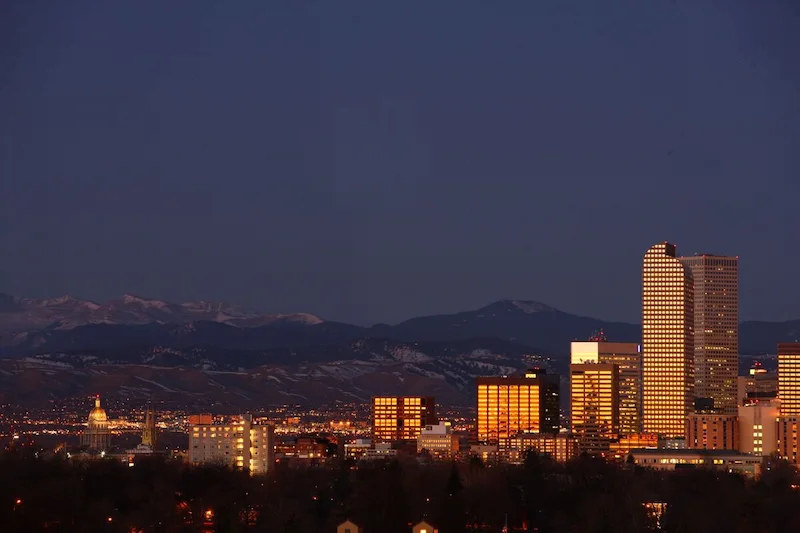


A powerful winter storm is making its way across the Rocky Mountains and Great Plains, prompting a flurry of warnings and weather advisories from Nevada all the way to Kansas. The storm is expected to bring substantial snowfall, with Denver potentially receiving up to 2 inches (5.1 cm) by Saturday. Higher elevations in the western regions could even see 8 inches (20.3 cm) or more of snow.
As the storm moves eastward, colder temperatures are predicted for the eastern parts of the country. New York City, for instance, could experience temperatures as low as 31F on Friday. These conditions suggest that Central Park will be facing its coldest temperatures since March, sending a shiver down the spines of residents.
In other parts of the world, weather phenomena are also wreaking havoc. Northern and eastern Australia are bracing themselves for severe thunderstorms throughout the week, with the possibility of flooding, rough winds, and widespread power outages. The storms may even reach South Australia, Victoria, and Tasmania, bringing the risk of large and damaging hail.
Meanwhile, high winds are expected to batter Tokyo, Japan, until Saturday, creating potentially hazardous conditions for residents and visitors alike. However, it's worth noting that a tropical depression has formed in the eastern Pacific Ocean, but at this point, it doesn't appear to pose any immediate threat.
Even the United Kingdom is not immune to weather fluctuations. According to the UK Met Office, the weekend is likely to be chilly, with areas such as Northern Ireland, Scotland, and southwest England potentially experiencing a touch of frost.
As these weather events unfold, it's crucial for residents and travelers to stay informed and heed any warnings or advisories issued by local authorities. Being prepared and taking necessary precautions can help mitigate the potential risks associated with these natural occurrences.