


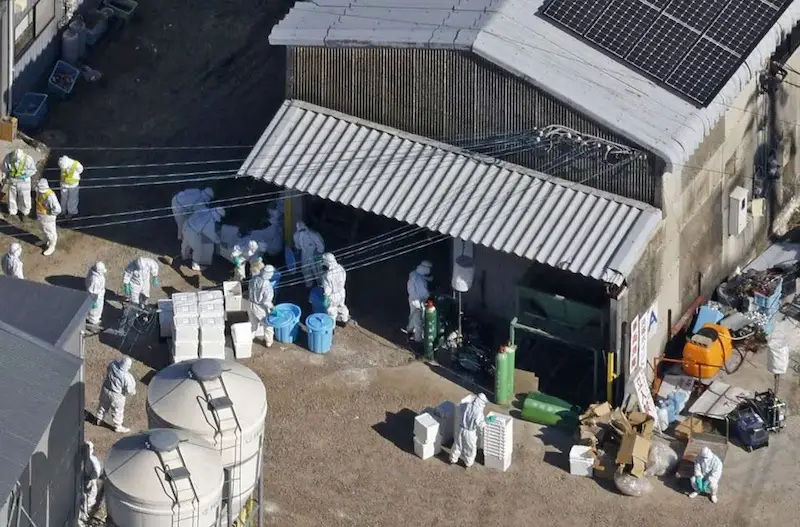


In a concerning development, Japan has reported its first case of highly pathogenic H5-type bird flu this season. The virus was detected at a poultry farm located in the southern part of the country, according to the national public broadcaster NHK. Authorities from Saga prefecture, where the farm is situated, have announced plans to cull approximately 40,000 birds in an effort to prevent the spread of the virus.
The Agriculture Ministry, which is responsible for monitoring such outbreaks, has yet to comment on the situation. However, NHK reports that Prime Minister Fumio Kishida will call a meeting with relevant cabinet ministers to discuss appropriate measures to contain and prevent the further spread of the virus.
The initial discovery of the outbreak came after some poultry birds were found dead on the farm on Friday. Subsequent genetic testing confirmed the presence of the highly pathogenic avian influenza virus. This strain has presented a considerable challenge globally, resulting in the culling of millions of birds in affected regions.
Last season, Japan experienced its highest number yet of culled poultry, with approximately 17.7 million birds taken out of circulation due to avian influenza concerns. The country remains on high alert to rapidly respond to any potential outbreaks and mitigate the risk to its poultry industry.
Efforts to control and manage avian flu have intensified in recent years due to its increasingly frequent and widespread occurrence. The virus often spreads through the migration of wild birds, which serve as carriers. As a result, countries around the world have implemented strict biosecurity measures, including proactive surveillance and swift culling of infected flocks, to prevent further transmission.
Given the seriousness of the situation, the Japanese government is likely to take swift action to contain the outbreak, with the culling of the affected birds being a primary measure. Additionally, surveillance and monitoring in neighboring poultry farms will likely be reinforced to prevent any further spread of the disease. The government may also issue advisories and guidelines to poultry farmers to enhance biosecurity measures to minimize the risk of infection.
The timely detection and immediate response to the bird flu outbreak highlight Japan's commitment to protecting its poultry industry. By swiftly implementing control measures and closely monitoring the situation, authorities aim to minimize the economic impact and protect public health. The collaboration between relevant ministries, local governments, and the farming community will be crucial in effectively containing and eliminating the virus.