


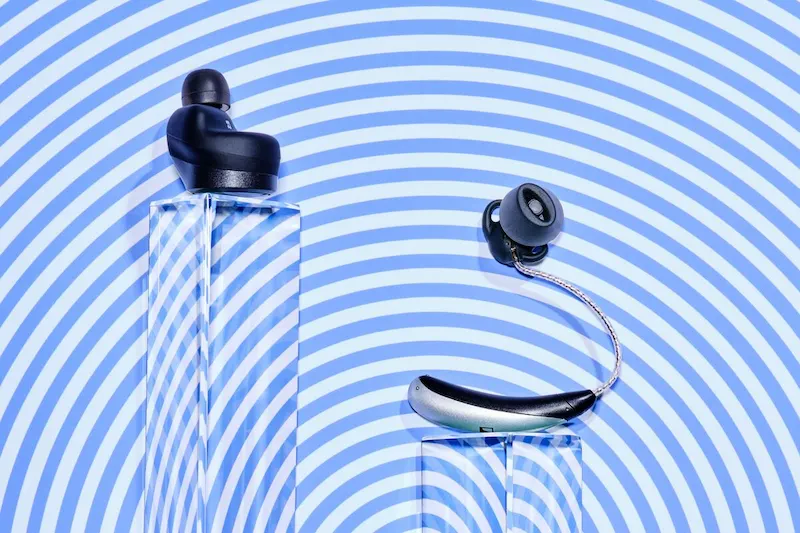


The perception of wearing hearing aids is undergoing a transformation, as several well-known consumer electronics brands team up with established hearing aid manufacturers to make wearing a listening device as common as putting on a pair of reading glasses. With over 48 million Americans experiencing some degree of hearing loss, but only about 20% of them seeking any form of aid, the market for over-the-counter hearing aids is ripe for disruption.
Traditionally, the reluctance to use hearing aids stemmed from both their high cost and the social stigma associated with wearing them. However, last year, the US Food and Drug Administration (FDA) approved over-the-counter sales of hearing aids, opening up the market to a broader range of consumers. This regulatory change has spurred innovation and collaboration among brands.
Companies like HP Inc., Sony Corp., and Sennheiser Electronic GmbH have introduced new models of over-the-counter hearing aids that offer not only discrete and comfortable designs but also advanced features such as noise cancellation, streaming capabilities, and personalized settings. For instance, HP's Hearing Pros, which resemble regular earbuds, utilize noise cancellation technology and a Focus Mode controlled through an app to enhance conversations in noisy environments. Sony's CRE-C10s fit invisibly in the ear canal and feature extended battery life, while Sennheiser's All-Day Clear Slim combines a behind-the-ear body with an earbud-style receiver.
The advent of more affordable and technologically advanced hearing aids has attracted a younger demographic. Millennials and Generation Z, who grew up wearing earbuds and experiencing higher rates of hearing loss, are more open to wearing hearing aids and view them as an additional audio device rather than a burden. This changing mindset among younger generations, along with the blend of price and brand familiarity, is driving the adoption of over-the-counter hearing aids.
While there are numerous options available in the market, consumers should exercise caution and ensure they purchase FDA-approved devices from reputable brands. The sheer volume of offerings, including "bad actors" making false claims about the effectiveness of their products, can be overwhelming. However, with the increased availability and variety of over-the-counter hearing aids, individuals with hearing loss have more accessible and affordable options to improve their hearing health.
The future of over-the-counter hearing aids looks promising, with ongoing developments and collaborations between tech giants and hearing aid manufacturers. Apple Inc., for example, is planning an AirPods overhaul that includes a hearing test feature, while eyewear maker EssilorLuxottica SA is acquiring Nuance Hearing to develop glasses with built-in hearing aids.
As the industry continues to evolve and the stigma around hearing aids dissipates, more individuals are likely to seek help for various degrees of hearing loss. The availability of affordable and technologically advanced over-the-counter options is a significant step toward empowering people to address their hearing needs and improve their overall quality of life.