




The impact of climate change is making it increasingly difficult to accurately predict extreme weather events, according to Murray Watt, Australia's agriculture minister. This assertion comes amid criticism directed at the country's meteorology department for its failure to provide timely warnings regarding this week's deadly storms.
Watt emphasized that "climate change is having an impact" and highlighted the need for traditional weather forecasting models to evolve alongside the changing climate. He acknowledged the hard work being done by the Bureau of Meteorology in adapting to this new reality, but also pointed out that unpredictable weather events are becoming more frequent as a result of climate change.
Criticism has been leveled at the meteorology department for its perceived failure to alert residents in a timely manner about the recent deadly thunderstorms that occurred after ex-tropical cyclone Jasper hit Queensland. Watt, who is also the emergency management minister, acknowledged the criticisms while acknowledging that meteorology is not a perfect science.
Despite the criticisms, Watt expressed confidence that improvements can be made within the Bureau of Meteorology to enhance the accuracy and timeliness of weather forecasts. He believes that ongoing efforts will address these concerns and ensure that residents are adequately prepared for severe weather events.
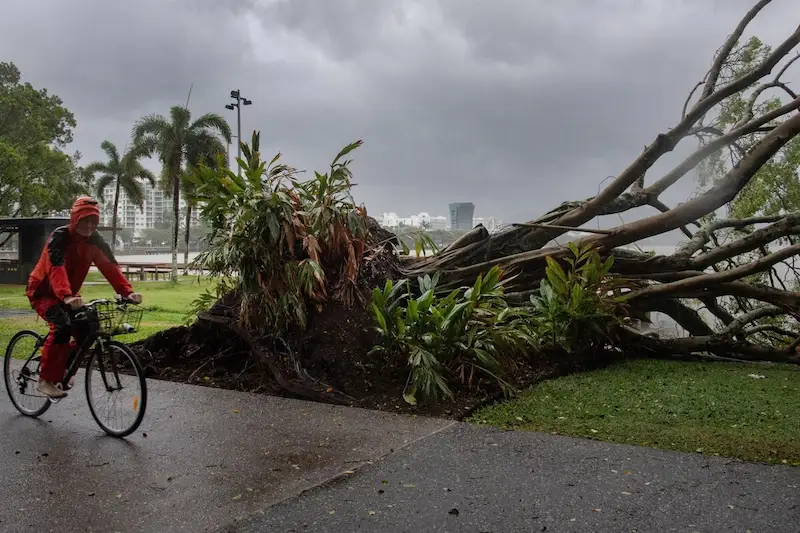
This week, Australia's east coast was battered by storms that claimed the lives of at least nine people. Major thunderstorm warnings remain in effect for south-east Queensland, with predictions of destructive wind gusts, giant hail, and flash flooding. The aftermath of these storms has left thousands without power and necessitated ongoing cleanup efforts in the affected regions.
In addition to the storms, severe heatwaves are predicted to hit Australia's north-western regions. The combination of extreme weather events, including storms and heatwaves, highlights the urgent need for accurate and timely weather forecasting to enable residents to take necessary precautions and mitigate risks.
As climate change continues to affect global weather patterns, it is crucial for organizations like the Bureau of Meteorology to adapt and improve their forecasting models. The increasing frequency and intensity of extreme weather events necessitate a proactive and agile approach to ensure the safety and well-being of communities across Australia.