


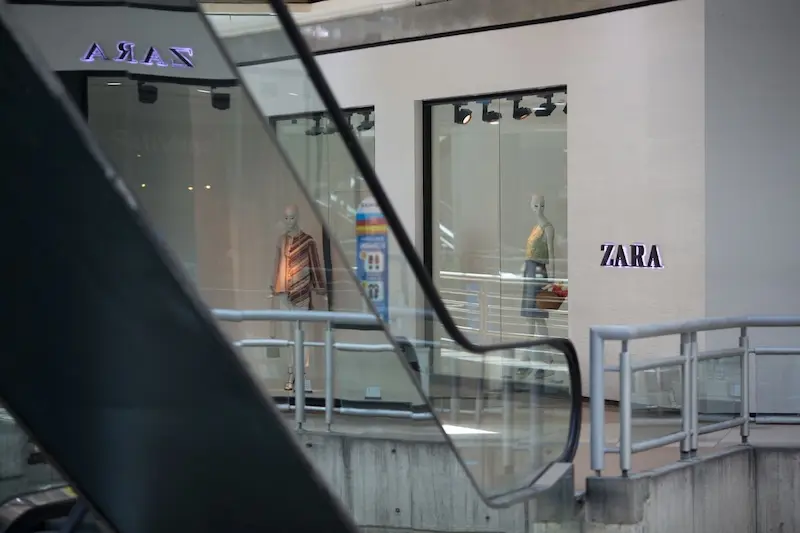


Zara, the renowned fashion retailer, is gearing up to reopen its doors in Venezuela, signaling a positive turn in the country's economic landscape. After a prolonged period of hyperinflation and a severe economic downturn, Zara closed its operations in 2021 due to weakened retail demand. However, with consumer spending slowly recovering and the inflation rate brought under control, Zara's parent company, Inditex, has announced that the fashion giant will be making a comeback.
Grupo Futura, the local franchise operator, has been entrusted with the task of bringing Zara back to the Venezuelan market. Their first store is set to open in an upscale mall in Caracas before the end of July. This move by Inditex reflects the increasing optimism surrounding Venezuela's economic prospects and the potential for growth in the retail sector.
The decision to reestablish Zara in Venezuela comes as the country experiences a gradual revival in consumer purchasing power. The widespread adoption of the US dollar as the de facto currency in everyday transactions has played a crucial role in taming inflation and stabilizing the economy. Additionally, the recent easing of US sanctions has encouraged investment, further bolstering the prospects for economic recovery.
According to the International Monetary Fund's forecast, Venezuela's economy is expected to expand by 4.5% this year, surpassing growth rates in neighboring countries such as Colombia, Peru, Brazil, Mexico, and Chile. This positive outlook suggests that the timing for Zara's return to the Venezuelan market is opportune, as it aligns with the anticipated resurgence in consumer confidence and demand.
The reopening of Zara in Venezuela will be a gradual process. Grupo Futura, the franchise operator, plans to assess the response to the initial store reopening before proceeding with further expansion. By adopting a cautious approach, they can gauge the market's appetite for Zara's products, ensuring a successful relaunch of the brand.
Another significant development that sets the stage for Zara's comeback is the US administration's decision to ease sanctions on Venezuela. In October, President Joe Biden's administration reached an agreement with the Venezuelan government that promised fairer elections in 2024 in exchange for the lifting of certain sanctions. This move has provided a more favorable environment for business operations in Venezuela and has likely played a role in Inditex's decision to reinstate Zara.
As President Nicolas Maduro prepares for elections this year, he faces a formidable opponent in opposition leader María Corina Machado. While Maduro's prospects for a third term seem uncertain, his administration's efforts to attract investment and rebuild the economy have been instrumental in restoring confidence among both local and international businesses.
Zara's return to Venezuela not only signifies a vote of confidence in the country's economic prospects but also offers a glimmer of hope for consumers who have long awaited the return of their favorite fashion brand. With the reopening of Zara, Venezuelans can once again access the latest trends and high-quality clothing, contributing to a sense of normalcy and renewed optimism in the retail sector.