


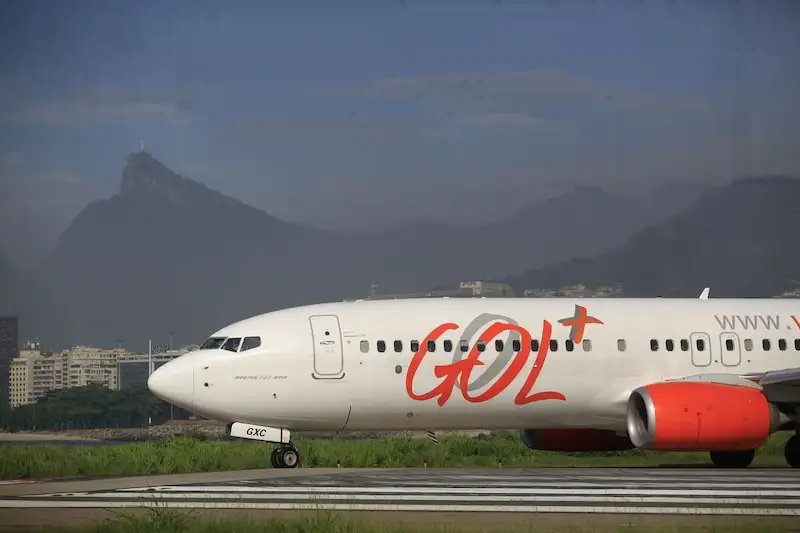


Brazilian low-cost carrier Gol Linhas Aereas Inteligentes SA has officially filed for bankruptcy protection, marking a disappointing end to its efforts to recover from the devastating impact of the Covid-19 pandemic. The airline submitted its Chapter 11 bankruptcy petition on Thursday in New York, as confirmed by court filings. By entering bankruptcy, Gol will be able to continue operating while it seeks approval for a plan to repay its creditors.
To help facilitate the restructuring process, the beleaguered airline has secured $950 million in bankruptcy financing from a group of bondholders. This financial lifeline will enable Gol to meet its immediate operational needs and provide some stability during the restructuring phase.
Gol has been burdened with a significant debt load and has faced considerable doubts from investors about its ability to navigate the uncertain post-pandemic air travel industry. While it initially managed to avoid the fate experienced by many of its pandemic-stricken peers, the Sao Paulo-based carrier enlisted the help of Seabury Capital last year to assess its financial obligations and consider potential solutions to its debt crisis.
In January, Abra Group Ltd., a holding firm overseeing the operations of Gol and Colombia's Avianca, engaged in talks with creditors to explore a debt restructuring plan and generate fresh capital for Gol. The discussions aimed to develop a comprehensive strategy to alleviate Gol's financial burdens and position the airline for a sustainable recovery.
The declaration of bankruptcy represents a challenging period for the airline, but it also presents a unique opportunity for Gol to restructure its operations, renegotiate its debts, and implement a viable long-term plan. With the support of its bondholders and careful management, Gol will strive to emerge from bankruptcy stronger and more resilient.
In the face of ongoing uncertainty in the travel industry, Gol will likely focus on optimizing its cost structure, enhancing operational efficiency, and adjusting its route network to better align with changing passenger demand. Additionally, the airline will seek to rebuild consumer confidence and regain market share by prioritizing customer satisfaction and safety.
It remains to be seen how long Gol's restructuring process will take and what the final outcome will be. However, it is evident that Gol is prepared to take the necessary steps and collaborate with creditors to ensure a successful recovery. By navigating this challenging period, Gol aims to emerge as a leaner, more adaptable airline positioned to thrive in a post-pandemic travel environment.