


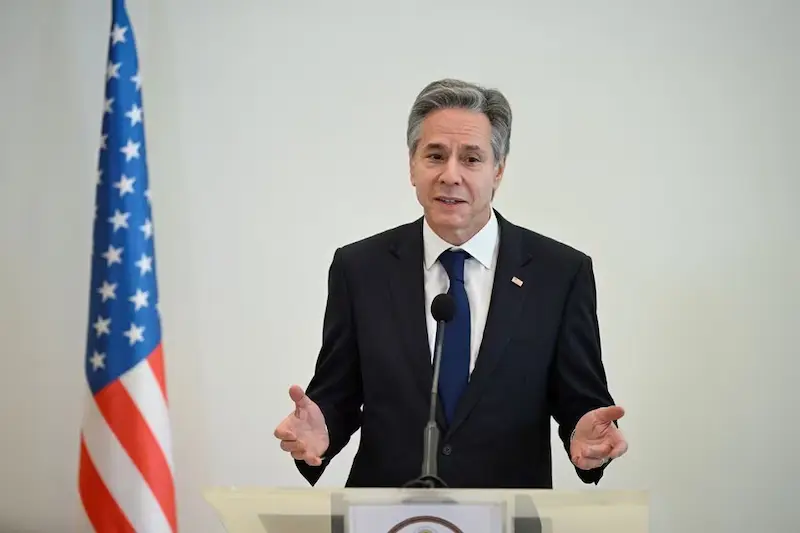


The United States has unveiled a new visa restriction policy aimed at combating the misuse of commercial spyware. Secretary of State Antony Blinken announced the policy, which will give the State Department the authority to impose visa restrictions on individuals involved in the abuse of commercial spyware, as well as those who facilitate and benefit from such actions.
The main objective of this policy is to shape the behavior of foreign governments and companies that engage in malicious digital espionage activities. In the past, these entities have been accused of developing platforms that enable hacking against human rights activists, journalists, and opposition politicians in developing nations.
Under the new policy, investors and operators of commercial spyware believed to be misused will also be subject to visa restrictions. Over the past few years, at least 50 U.S. officials have been targeted using private hacking tools, making this issue of great concern to the Biden administration.
President Joseph Biden previously signed an executive order aimed at curbing the malicious use of digital spy tools that target U.S. personnel and civil society worldwide. The order prohibited U.S. agencies from conducting business with companies involved in such activities, thereby limiting their potential reach.
The Commerce Department has also taken action by adding several surveillance firms to its economic trade blacklist, including Cytrox based in Hungary, Intellexa from Greece, and Israeli companies NSO Group and Candiru.
This new visa policy, which falls under the existing Immigration and National Act, applies to a wide range of individuals involved in hacking operations that surveil, harass, suppress, or intimidate individuals such as journalists, activists, dissidents, members of marginalized communities, vulnerable populations, and their family members.
In a joint effort with partner countries, the United States has been advocating for stringent domestic and international controls to counter the proliferation and misuse of commercial spyware. The aim is to protect the privacy and security of individuals targeted by these malicious activities.
This latest policy demonstrates the U.S. government's commitment to addressing the misuse of commercial spyware and sending a strong message to those involved in these activities. By imposing visa restrictions on individuals and entities engaging in such behavior, the U.S. hopes to deter and hold accountable those responsible for hacking and surveillance against vulnerable individuals and organizations.