


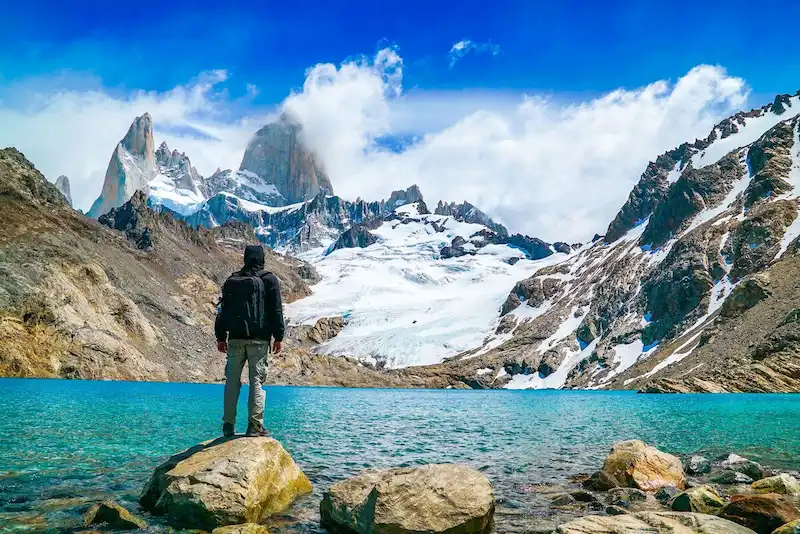


El Chaltén, a picturesque village nestled in the stunning Patagonian region of Argentina, is currently facing a plumbing crisis that threatens its pristine ecosystem. The village, known for its high-end mountain lodges and breathtaking natural beauty, is grappling with an overloaded sewer system that causes dangerous bacteria to contaminate the Las Vueltas river. The sewage treatment plant, designed to cater to 4,300 people, is unable to handle the influx of tourists, with the village often accommodating up to 10,000 visitors during the peak season from November to March.
In recent years, tourism in Argentina's Patagonia region has experienced a significant surge. In December 2023 alone, approximately 61,000 nonresidents flocked to Los Glaciares National Park, a 47% increase from the previous year. While El Chaltén is not included in the regional visitation counts, the growing number of tourists in the wider area puts immense strain on the village's infrastructure. The result is the pollution of the Las Vueltas river, which serves as a lifeline for locals and a popular destination for rafting and kayaking adventures.
Aside from the sewage problem, El Chaltén is also grappling with a housing crisis, staffing shortages, and concerns about visitor safety. With limited space for expansion due to its location in a national park, the village cannot accommodate the increasing number of permanent and seasonal residents. High inflation rates, a population boom fueled by the pandemic, and properties being used for short-term rentals exacerbate the housing shortage and affordability crisis.
The village now attracts a diverse range of tourists, from backpackers to luxury-oriented adventure seekers. However, the shift in tourist demographics has led to a surge in accidents and safety concerns. The lack of infrastructure and experienced personnel, with only three full-time park rangers and 16 seasonal workers, makes it increasingly challenging to maintain trails, enforce fire-prevention measures, and conduct rescues in emergency situations.
Efforts to address these issues are underway, with various grassroots organizations receiving international funding to support Los Glaciares National Park. These organizations focus on trail restoration, traveler education, water monitoring, and volunteer fire and rescue services. Additionally, private businesses like Explora El Chaltén are adapting their operations to promote sustainable ecotourism. By diverting hikers to less-traveled areas and employing local staff, these businesses alleviate some of the pressure on housing and contribute to the long-term sustainability of the region.
While there are ongoing efforts to tackle the challenges facing El Chaltén, the sewage system remains a pressing concern. Local residents, along with environmental organizations, have filed a lawsuit demanding greater transparency regarding water pollution. A federal judge has intervened, requesting the sanitation department to provide scientific data proving that the river is not contaminated. The results of this investigation are expected soon, and they will likely have significant implications for the future of El Chaltén and its efforts to maintain its idyllic status as Argentina's trekking capital.
As El Chaltén strives to find innovative solutions to its infrastructure and environmental challenges, it is crucial for stakeholders to work together and develop a long-term vision for the sustainable growth of tourism in the region. By balancing the needs of the local community, the natural environment, and the growing number of visitors, El Chaltén can continue to thrive as a sought-after destination while preserving its unique ecosystem for future generations to enjoy.