


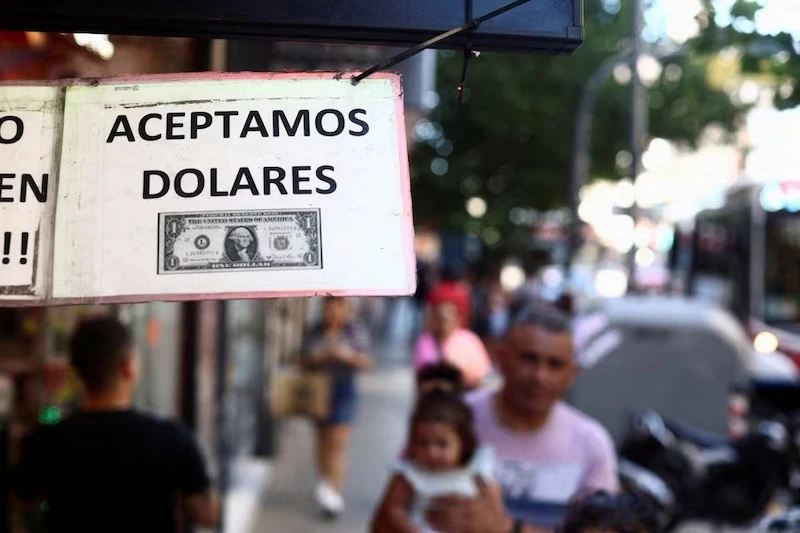


In a recent report released by the Catholic University of Argentina (UCA), it was revealed that poverty levels in Argentina have surged to 57.4% in January, marking the highest recorded rate in at least two decades. The economic turmoil was exacerbated by the devaluation of the peso initiated by President Javier Milei shortly after taking office in December. This drastic devaluation, along with subsequent price hikes, led to a significant increase in poverty levels, which had already closed the previous year at 49.5%.
President Milei, a libertarian leader, pointed to the enduring effects of what he referred to as the "caste model," highlighting the stark reality that six out of every 10 Argentines are now living in poverty. This assertion underscores the urgent need for comprehensive economic reforms to address the country's deep-seated economic challenges.
Milei's administration has embarked on an ambitious agenda aimed at stabilizing the economy, including proposals to "dollarize" the economy, tackle rampant inflation exceeding 200%, eliminate the fiscal deficit, and dismantle entrenched political dynasties that he denounces as "the caste." The implementation of sweeping economic reforms in December, such as a significant peso devaluation against the U.S. dollar and subsidy cuts, has triggered a wave of hardships for the Argentine population.
Furthermore, the government has rolled out additional measures, including slashing energy and transportation subsidies, as well as introducing tax hikes in a bid to achieve fiscal balance. These stringent measures have contributed to a challenging economic environment for many Argentines, resulting in a sharp decline in purchasing power and increased financial strain on households.
Despite the economic challenges, there have been some recent signs of improvement, with Argentina's economy ministry reporting a budget surplus of 518.41 billion pesos ($620.85 million) in January, marking the first surplus since August 2012. However, the long-term impact of these economic reforms on the population remains a subject of concern, as the country grapples with deepening poverty levels and widespread economic instability.
As Argentina navigates these turbulent economic waters, the pressing need for sustainable and inclusive policies to alleviate poverty and foster economic growth has never been more critical. The path ahead demands bold and strategic measures to address the root causes of poverty and promote a more equitable and prosperous future for all citizens.