


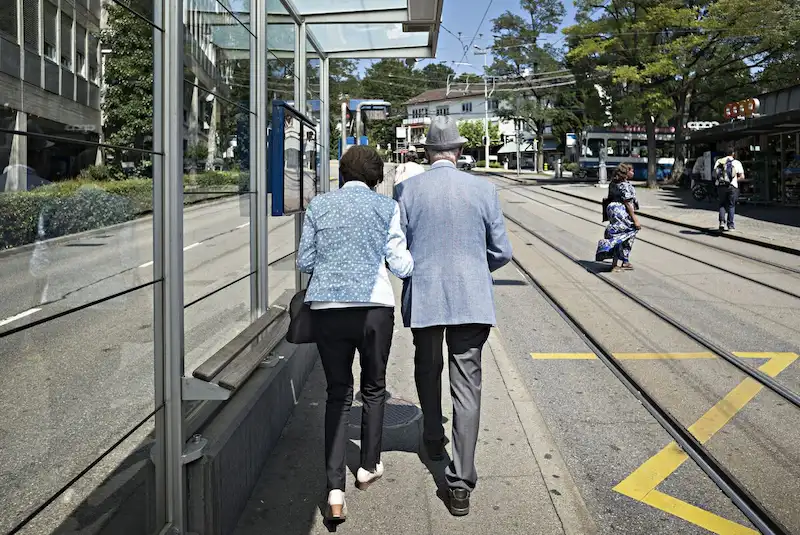


Switzerland is at a crossroads as one of its youngest lawmakers, Andri Silberschmidt, pushes for an increase in the retirement age to combat an impending pension-fund deficit. With the country's aging population projected to double the number of pensioners per 100 working-age citizens by the 2080s, Silberschmidt's proposal aims to gradually raise the retirement age to 66 by 2033 and align it with life expectancy thereafter. His rationale is grounded in economic sustainability, emphasizing that pensions should be supported by a robust economy.
However, the proposal to raise the retirement age faces skepticism among voters, with only 35% support in final polls leading up to the scheduled plebiscite next Sunday. This reluctance underscores the broader concern among Swiss citizens about the erosion of retirement funds due to factors such as inflation and diminishing investment returns. In response, labor unions have backed a competing initiative for a 13th pension payment, which could increase state retirement funds by up to 8% annually, providing a potential solution to alleviate financial strains on retirees.
The debate around pension reform in Switzerland reflects a delicate balancing act between ensuring financial stability and addressing the needs of an aging population. While Silberschmidt highlights the long-term implications of the pension deficit and the necessity for proactive measures, opponents of raising the retirement age argue that it may disincentivize labor force participation beyond the official age threshold. This raises questions about how to sustain the pension system while promoting continued workforce engagement.
Furthermore, the issue of immigration intersects with the pension reform discourse, as some political factions, like the right-wing Swiss People's Party, view the proposed increase in retirement age as a means to reduce dependency on immigrant labor to support the aging population. The party argues that curbing immigration is vital to preserving Switzerland's economic independence and societal cohesion in the face of demographic shifts. However, this perspective is countered by concerns about workforce shortages and the potential implications of limiting immigration in a country reliant on foreign labor.
As Switzerland grapples with these complex considerations, the outcome of the upcoming plebiscite will have far-reaching implications for the country's social welfare system and labor market dynamics. Whether the focus shifts towards raising retirement ages or enhancing state pension benefits, the ultimate goal is to ensure the long-term sustainability of the pension system while meeting the evolving needs of retirees in a changing demographic landscape.