




Ford Motor Company has temporarily halted shipments of its 2024 model year F-150 Lightning electric pickup trucks in order to conduct quality checks on an undisclosed issue. The shipment suspension, which began on Feb. 9, comes just weeks after deliveries of the highly anticipated EV truck had commenced in January. While Ford has not provided specifics on the nature of the quality issue being investigated, the automaker is taking proactive measures to ensure the vehicles meet the brand's high standards before reaching customers.
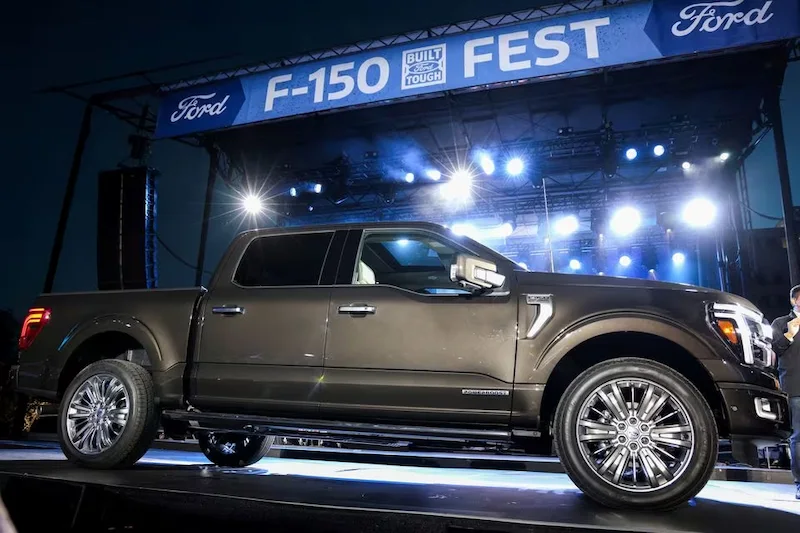
Amidst the temporary pause in F-150 Lightning deliveries, Ford has initiated shipments of the newly designed 2024 gas-powered F-150 pickups to dealers this week. The company aims to gradually increase shipments in the coming weeks following thorough launch quality checks to guarantee that the new F-150 models align with Ford's expectations for excellence. However, reports suggest that significant quantities of gas-powered 2024 model F-150 trucks have accumulated in storage lots in southeast Michigan since production commenced in December, signaling potential logistical challenges for the automaker.
Despite the shipment delay for the F-150 Lightning, Ford asserts that its production schedule remains on track as initially planned. The company had previously announced plans to kick off shipments of the 2024 F-150 lineup early in the year, with the recent shipment of gas-powered models marking a significant milestone in the production and distribution process. However, challenges related to the quality checks on the electric version necessitated the temporary halt in deliveries, underscoring Ford's commitment to delivering top-tier products to its customers.
While production of the F-150 Lightning continues, Ford has committed to scaling back production levels in response to lower-than-anticipated demand for electric vehicles. The automaker announced plans to reduce output at its Michigan Rouge Electric Vehicle Center by operating on a single shift starting April 1, following previous adjustments to production shifts in October. Despite these adjustments, Ford remains optimistic about the future of electric truck production, particularly as it seeks to align production levels with market demand and consumer preferences.
In light of these developments, Ford's strategic production adjustments and quality control measures underscore the evolving landscape of the automotive industry, particularly concerning the proliferation of electric vehicles. As Ford navigates challenges related to production, shipment, and demand dynamics, the company's proactive approach to quality assurance and production optimization will be key in ensuring the success of its F-150 lineup and broader electric vehicle initiatives in the competitive automotive marketplace.