


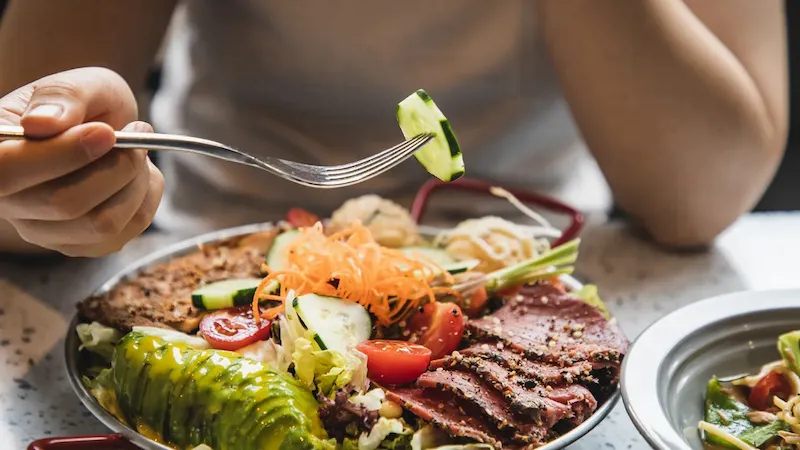


Delving into the murky waters of eating disorders, one particular form has been gaining recognition among clinicians and individuals alike. Orthorexia, a condition fixated on consuming foods deemed "clean" by subjective standards, is quietly but significantly impacting many lives. While not yet formally recognized in the DSM, the prevalence of orthorexia is on the rise, shedding light on the complexities of how society perceives and glorifies obsession with healthy eating.
The insidious nature of orthorexia lies in its disguise within the realm of diet culture. What may appear as a commendable dedication to health often spirals into an all-consuming fixation on rigid dietary rules. For those grappling with orthorexia, the quest for optimal nutrition infiltrates every aspect of life, overshadowing social interactions and personal well-being. The transition from a mere preference for nutritious foods to a restrictive obsession can manifest in detrimental ways, leading to anxiety, isolation, and potential progression into more severe eating disorders.
The challenge in defining what constitutes "healthy" further complicates the orthorexic mindset. With evolving trends and shifting paradigms in nutrition, the concept of a balanced diet becomes increasingly elusive. What was once deemed as healthy eating may now be considered outdated or flawed, adding another layer of uncertainty for individuals trapped in the throes of orthorexia. The obsession with adhering to self-imposed dietary guidelines can not only strain mental health but also hinder one's ability to engage in fulfilling experiences beyond food-related concerns.
Recovery from orthorexia demands a multifaceted approach that addresses both the psychological and behavioral aspects of the disorder. Seeking specialized therapy and support from professionals well-versed in treating orthorexia is crucial for effective treatment. Additionally, reshaping societal attitudes towards food and health is vital in fostering a supportive environment for individuals navigating the complexities of eating disorders. Education, understanding, and compassion play pivotal roles in dismantling harmful beliefs surrounding food and body image, paving the way for a more holistic approach to well-being.
Embracing the journey towards recovery requires immense courage and self-compassion. Breaking free from the confines of orthorexia opens doors to rediscovering joy, connection, and purpose beyond the constraints of rigid dietary rules. While the road to recovery may be challenging, the transformative power of reclaiming one's life from the grips of an eating disorder is immeasurable. As individuals like Jason Wood share their stories of resilience and renewal, it serves as a beacon of hope for those embarking on their own path towards healing and liberation from orthorexia's silent grip.