


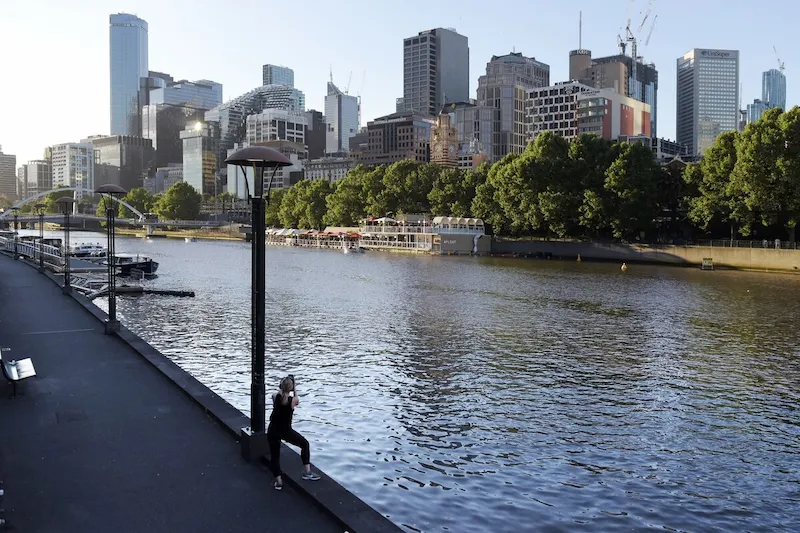


In a significant display of diplomatic prowess, Australia is set to host a summit with leaders from the Association of Southeast Asian Nations (Asean) in Melbourne this week, marking 50 years of relations between the two entities. This gathering highlights Canberra’s strategic efforts to carve out its own path in the region, separate from its historically close alignment with the United States. The Labor government’s push to strengthen ties with Asean reflects a shift in Australia’s foreign policy, demonstrating a desire to assert itself as a reliable partner and middle power in Southeast Asia and the broader Indo-Pacific region.
Under the leadership of Prime Minister Anthony Albanese and Foreign Minister Penny Wong, Australia has been proactive in engaging with Southeast Asian nations, particularly as China’s ascendancy reshapes the geopolitical landscape. Albanese’s recent visits to Vietnam and the Philippines underscore Australia’s commitment to enhancing regional relationships and asserting its influence in a time of growing uncertainty. By emphasizing the importance of a rules-based order and constructive engagement, Australia aims to position itself as a key player in shaping the future of the Indo-Pacific.
The Australia-Asean summit is expected to further solidify cooperation across various sectors, including intelligence sharing, trade, and maritime security. While concrete agreements may be modest in scope, the symbolism of the summit speaks volumes about the evolving dynamics in the region. The recent visit of Philippines President Ferdinand Marcos Jr. to Australia, culminating in a pact on maritime cooperation, highlights the strategic alignment between the two nations in addressing shared challenges, particularly in the contested waters of the South China Sea.
Amid concerns over the unpredictability of U.S. engagement under a potential return of former President Donald Trump, many Southeast Asian countries view Australia as a stable partner and a valuable hedge against regional uncertainties. Despite some initial unease surrounding the Aukus nuclear submarine agreement, Australia has made concerted efforts to address regional concerns and foster open communication. By demonstrating a willingness to engage with regional partners and listen to their perspectives, Canberra has been able to mitigate potential sources of tension and build stronger ties in the process.
As the geopolitical landscape continues to evolve, Australia’s proactive engagement with Southeast Asia signals a strategic shift towards greater independence and influence in the region. By prioritizing diplomatic relationships and mutual cooperation, Australia is well-positioned to navigate the complexities of the Indo-Pacific and contribute positively to regional security and stability. The upcoming summit serves as a testament to the growing importance of Australia’s role in shaping the future of Southeast Asia and underscores the significance of fostering strong partnerships in an increasingly interconnected world.