


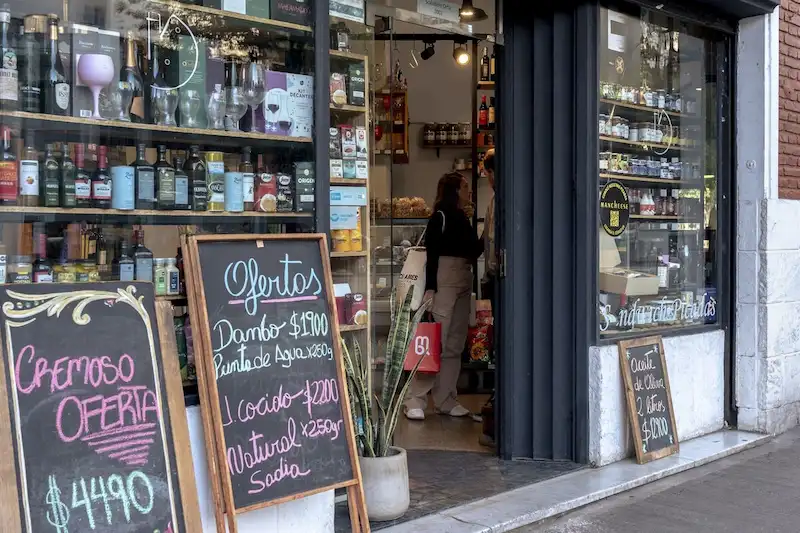


In Argentina, consumers are feeling the pinch as President Javier Milei's tough austerity measures drive the country deeper into a recession. The latest data from the Argentine business chamber CAME reveals a significant 25.5% drop in spending at small- and medium-sized businesses in February compared to the previous year, marking the third consecutive month of double-digit losses. This downward trend underscores the challenges faced by the largest sector of employment in the country.
The escalating cost of living in Argentina has been a pressing issue for consumers, with inflation soaring to over 250% annually. Real wages, which account for incomes adjusted for inflation, have plummeted by 23% over the past three months, according to estimates by Buenos Aires-based broker Portfolio Personal Inversiones. This sharp decline in purchasing power has forced many shoppers to cut back on spending, further exacerbating the economic strain on businesses.
While Milei's aggressive economic measures are seen as a necessary step to address Argentina's underlying structural issues, they have also contributed to the surge in inflation and economic instability. Employers are bracing for more layoffs than hires in the coming months, signaling a reversal from the post-pandemic recovery trend. In fact, Argentina was ranked the worst out of 41 countries in terms of job expectations in a recent report by staffing firm Manpower Group, highlighting the challenging employment landscape in the country.
As recession forecasts mount both locally and internationally, investors are closely monitoring how Milei plans to transition from emergency measures to a sustainable economic recovery strategy. The International Monetary Fund predicts a 2.8% contraction in Argentina's economy this year, following a 1.1% decline in 2023. The consumer pullback in response to the austerity measures poses critical questions about the long-term economic outlook and the effectiveness of Milei's policies in promoting lasting growth and stability.