


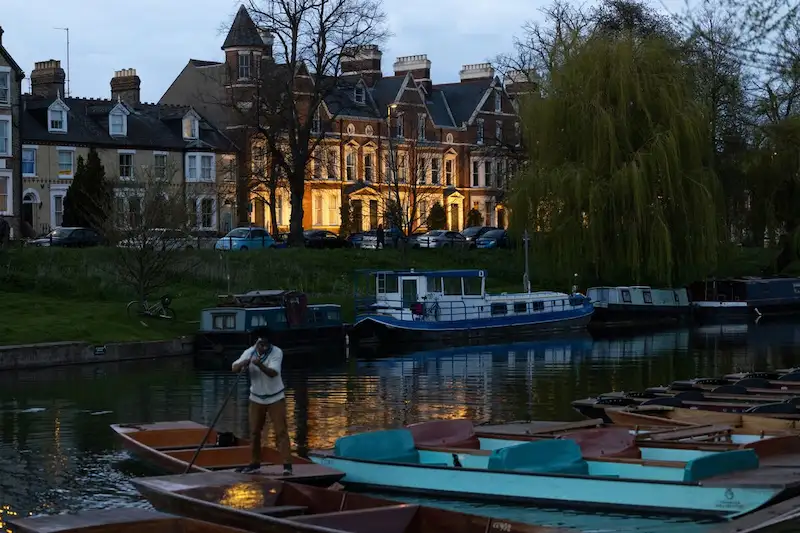


In response to the water scarcity crisis in the Cambridge area of England, developers looking to build new homes will now be mandated to participate in a water credit system. This innovative approach is part of the government's strategy to manage the strained water resources in one of the most water-stressed regions in the country, where plans are underway to construct over 150,000 new homes by 2040. However, concerns raised by the Environment Agency have stalled the progress, with more than 9,000 housing applications being rejected over worries about the potential impact on the area's streams.
With nearly all of Cambridge's water supply sourced from aquifers and other groundwater reservoirs, the current demand poses a significant strain on the local environment, especially in areas with low water flow and ecological sensitivity. To mitigate these concerns and facilitate sustainable development, the Environment Agency has endorsed the implementation of a water credit system as a temporary solution until a new reservoir is operational in 2036.
Under this system, developers will have the opportunity to offset their water consumption by purchasing and trading water credits, ensuring that their projects have a neutral or positive impact on water scarcity in Cambridge. This innovative approach not only aims to address the immediate challenges but also encourages responsible water usage practices within the development sector.
In addition to the water credit system, further measures are being proposed to reduce water usage in Cambridge. This includes investments in water-saving technologies such as efficient shower heads and sensor taps, which will be installed in homes, schools, and leisure centers across Greater Cambridge. By promoting water conservation at both the individual and community levels, these initiatives seek to not only address the current water scarcity issues but also foster a culture of sustainability and responsible resource management in the region.
As the water credit system gears up for testing and these additional measures are put into action, stakeholders are hopeful that these strategies will pave the way for sustainable growth and development in Cambridge, ensuring a balance between meeting housing needs and safeguarding the area's precious water resources for future generations.