


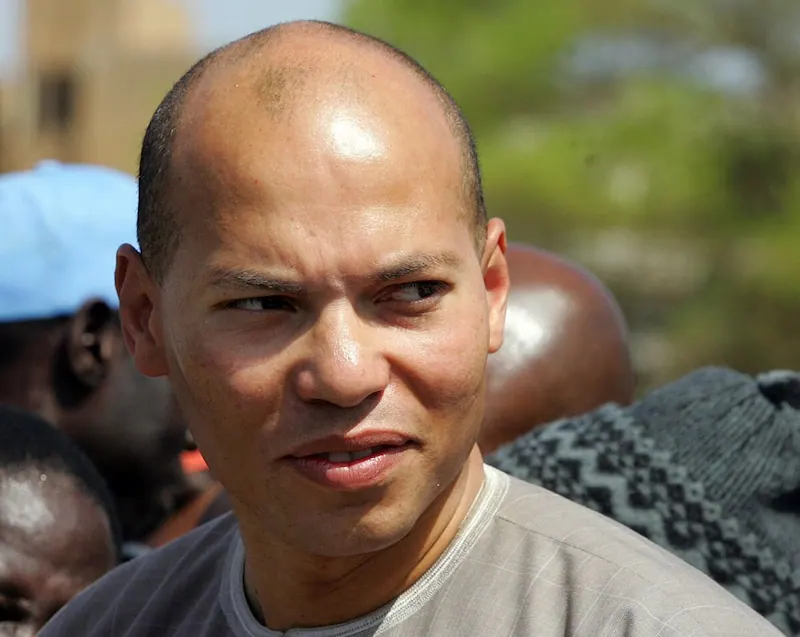


In a recent decision that has significant implications for Senegal's upcoming presidential election, the country's Supreme Court has rejected opposition leader Karim Wade's plea to postpone the polls. Wade contended that insufficient time had been provided for adequate preparation, citing electoral laws that stipulate a minimum of 80 days' notice and a 21-day campaign period. However, the court's ruling mandates that the election proceed as scheduled on March 24, despite the objections raised by Wade.
The political landscape in Senegal has been marked by turbulence in recent months, with the original election date of February 25 being scrapped by President Macky Sall. Subsequent efforts to reschedule the contest in December were met with mixed reactions, underscoring the challenges facing the country's democratic process. This back-and-forth over the election date has tarnished Senegal's reputation as a stable democracy and has had a negative impact on investor confidence, reflected in the poor performance of the country's bonds in the emerging market.
Wade, the son of former President Abdoulaye Wade and a candidate for his party, found himself disqualified from the election due to his possession of French nationality at the time of filing his candidacy, according to a ruling by the Constitutional Council. In light of this development, Ousmane Sonko, the prominent opposition leader who was expelled from the race following a libel conviction, re-entered the electoral campaign after being released from prison. Sonko's release was facilitated by an amnesty law passed by lawmakers to address political offenses since 2021.
As Senegal teeters on the brink of becoming an oil and gas producer, the timing of the presidential election takes on heightened significance. With the International Monetary Fund forecasting robust economic growth for the country in the coming years, political stability and transparency in the electoral process are crucial to maintaining investor trust and fostering sustainable development. The emergence of Bassirou Diomaye Faye as a formidable challenger to Sall's preferred successor, former Prime Minister Amadou Ba, adds a new dimension to the electoral dynamics, setting the stage for a closely contested race that could shape the future trajectory of Senegal's democracy.