


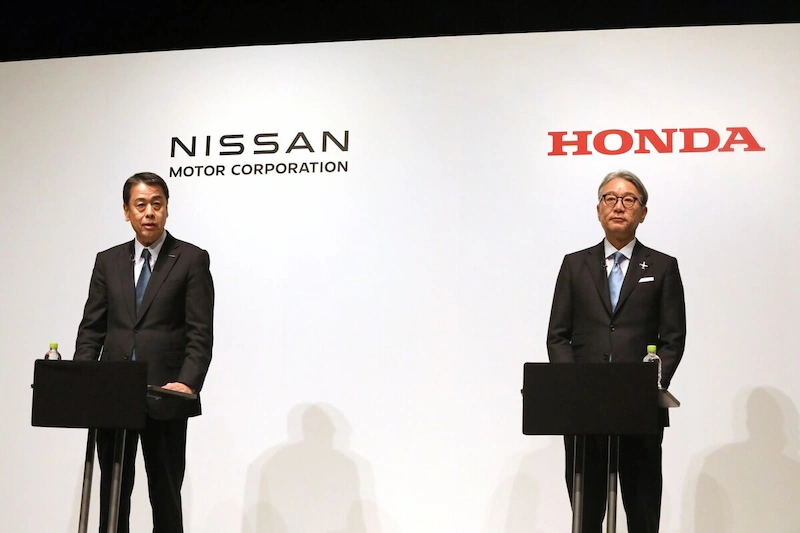


In a strategic move to keep pace with the ever-evolving landscape of clean energy vehicles, Honda Motor Co. and Nissan Motor Co. have announced a collaboration to develop cutting-edge electric car technology. This partnership will primarily focus on enhancing core technology for battery-based electric vehicles, including software integration. The formalization of this alliance comes in the form of a memorandum of understanding signed by the two automotive giants, marking a significant step towards a shared vision of electrification.
The Japanese automotive industry has faced stiff competition, particularly in China, from emerging local competitors, which has led to operational adjustments, production cutbacks, and even market exits. Honda and Nissan, in response to falling sales in China, are reportedly considering scaling down production capacities to align with market demands. This strategic collaboration aims to combine efforts to navigate the challenging market dynamics and technological advancements influencing the automotive sector.
As part of their agreement, Honda and Nissan are exploring the potential establishment of a joint venture and determining the regions where their collaboration will be most effective. Honda's President, Toshihiro Mibe, highlighted the urgency of adapting to the changing market environment, emphasizing the necessity to respond to emerging players in the industry. The differing corporate cultures of Nissan and Honda are acknowledged as hurdles that the companies will need to address in their joint endeavors.
Both Honda and Nissan have set ambitious sustainability targets, with Honda aiming to achieve sales of exclusively electrified vehicles by 2040 and carbon neutrality by 2050. Meanwhile, Nissan has committed to attaining carbon neutrality throughout its product lifecycle by fiscal year 2050. The absence of discussions regarding a capital alliance in the partnership reflects a strategic focus on collaboration in research and development initiatives rather than financial integration.
Industry analysts view this collaboration as a beneficial move for both companies, recognizing the cost-saving potential of shared battery technology development. Seiji Sugiura, a senior analyst at Tokai Tokyo Intelligence Laboratory Co., suggests that this partnership could significantly reduce costs and enhance efficiency. With the pressure mounting on traditional automakers to compete with newer, agile competitors like BYD and Tesla, strategic collaborations like this one could serve as a vital tool for sustaining competitiveness in the rapidly evolving automotive market.
As legacy brands face the challenge of catching up with industry frontrunners in the electric vehicle segment, partnerships and collaborations are becoming increasingly integral to rapid innovation and adaptation. The Honda-Nissan alliance signifies a proactive approach to embracing the future of clean energy vehicles and underscores the importance of industry cohesion in driving sustainable mobility solutions.