


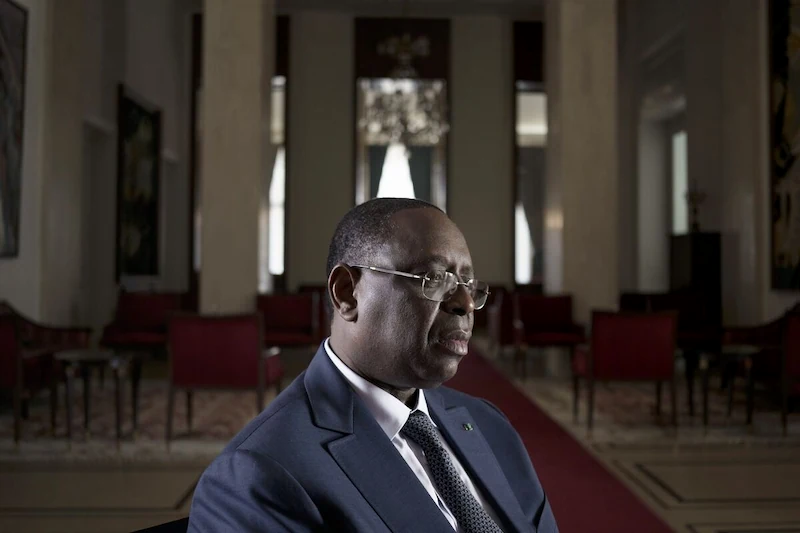


Senegalese President Macky Sall has stood firm in his defense of the decision to postpone elections, asserting that the country's democracy and institutions remain strong despite the turmoil that ensued. In an interview in Dakar, Sall acknowledged the rocky start caused by the delay, attributing it to the complexities surrounding the vetting process of candidates by the Constitutional Council. He emphasized that while the experience was challenging, it will ultimately serve to strengthen the nation amidst uncertainties.
Critics labeled the postponement as a constitutional coup, but Sall argued that it was a necessary step towards reconciling a deeply divided nation. The subsequent amnesty granted to opposition figures and others involved in political unrest was a part of this effort to restore peace and unity ahead of the rescheduled vote. Sall expressed confidence that normalcy would return after the election, set to take place on March 24, with 19 candidates in the running.
The upcoming election will see millions of voters deciding among candidates such as Sall's chosen successor, former Prime Minister Amadou Ba, and opposition candidate Bassirou Diomaye Faye. Faye, who was among the opposition figures jailed before the election, was released following the amnesty law's passage. Observers anticipate a potential second round of voting as no candidate is likely to secure an outright victory.
Sall highlighted the importance of maintaining stability and continuity in policies for the country's economic growth and investor confidence. While Ba aims to focus on job creation, entrepreneurship, agriculture, and infrastructure development, Faye has signaled intentions to review contracts with private partners in the gas and mining sectors and reassess Senegal's international relations, including its use of the CFA franc currency.
Despite the recent challenges and uncertainties, Senegal's economic prospects remain promising, with forecasts projecting significant GDP growth as gas and oil projects come online. Sall noted that the country's increased debt levels were necessary to drive development but emphasized the importance of fiscal discipline and efficient spending moving forward. Overall, he remains optimistic about Senegal's future trajectory and its ability to navigate the current political and economic landscape successfully.