




In a surprising shift, Wall Street has found common ground amid the divisive political landscape by embracing the economic benefits of immigration in the United States. While politicians and voters may be at odds over the issue, recent data from the nonpartisan Congressional Budget Office (CBO) has shed light on the significant positive impact of immigration on the nation's economy. The CBO's projection of a $7 trillion GDP boost over the next decade, driven by the surge in immigration, has prompted a wave of optimism among investment bank economists.
Goldman Sachs Group Inc., JPMorgan Chase & Co., and BNP Paribas SA are among the financial institutions that have revised their economic growth forecasts to account for the contributions of new immigrants to the labor force and consumer spending. HSBC Holdings Plc's Global Chief Economist, Janet Henry, highlighted the macroeconomic importance of immigration and underscored its role in driving US economic growth in recent years.
Morgan Stanley economists Sam Coffin and Ellen Zentner emphasized how faster population growth resulting from immigration has led to stronger employment and population estimates than initially anticipated. Despite challenges in accurately measuring the influx of foreign-born individuals, the CBO's data integration from US Customs and Border Patrol has provided a clearer picture of the impact of immigration.
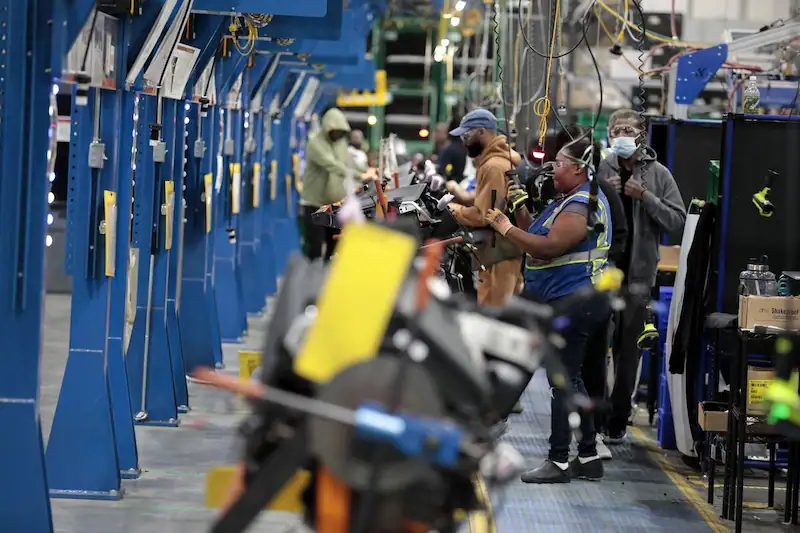
The recent influx of immigrants, both legal and undocumented, has played a crucial role in the post-pandemic economic recovery. With 32.5 million immigrant workers now comprising approximately one-fifth of the US workforce, the positive effects of increased labor supply have not gone unnoticed by Federal Reserve Chair Jerome Powell and other policymakers. Powell, in particular, has highlighted immigration as a contributing factor to robust economic growth and a strong labor market.
While concerns about potential wage suppression and industry conditions persist, the demand for foreign workers remains high across various sectors. With nearly 9 million job openings in the US, businesses are advocating for policy changes to facilitate legal immigration channels. However, JPMorgan's chief US economist, Michael Feroli, warns that the future impact of immigration on the economy is contingent on policy decisions post-election.
As the role of immigration in driving economic growth continues to garner attention, the broader implications of these trends remain uncertain. While Wall Street celebrates the immediate benefits, the long-term effects of immigration on wages, workforce dynamics, and policy changes hang in the balance. Regardless, the undeniable link between immigration and economic prosperity underscores the need for a nuanced approach to immigration policies in the US.