


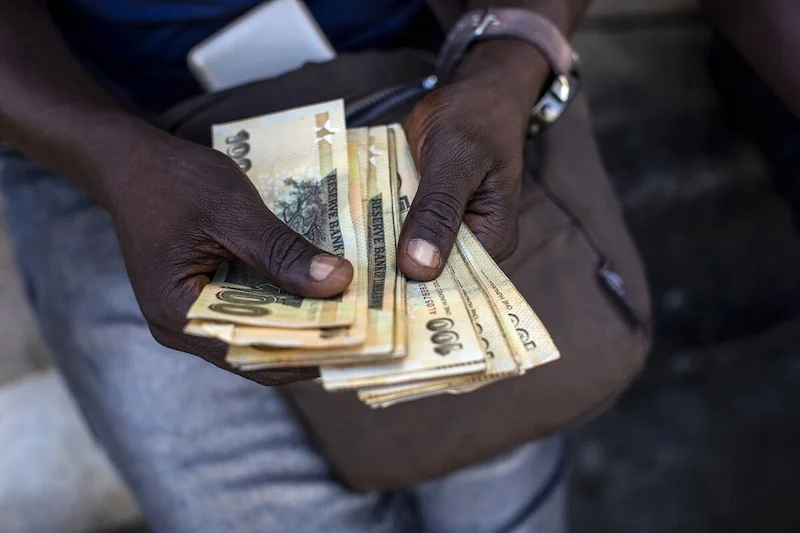


In a firm stance amidst continuous depreciation, Zimbabwe vows to uphold its local currency, a decision underscored by Finance Minister Mthuli Ncube in a recent interview. Despite the local dollar plummeting in value every single trading day this year, Ncube emphasized the importance of maintaining a domestic currency to support the country's monetary policy. This decision comes at a time when the US dollar dominates 80% of transactions in Zimbabwe, with citizens relying on it for everyday purchases, from essential goods to healthcare services.
The Zimbabwean dollar witnessed a significant decline, breaching the 20,000 mark against the US dollar after crossing the 10,000 threshold in late January. While concerns arise over the future of the local currency, authorities have refrained from intervening, sparking speculations about its sustainability.
Acknowledging the persistent depreciation of the Zimbabwean dollar, Ncube remains resolute in the decision to preserve the domestic currency, emphasizing its role in enabling the country to implement effective monetary policies. With the world's highest benchmark interest rate at 130%, Zimbabwe reintroduced its monetary policy in 2019, coinciding with the local currency's reinstatement after a decade-long absence.
As the country navigates through economic challenges, plans for a renewed monetary policy are underway, with consultations ongoing to ensure a comprehensive currency revamp that garners support from key stakeholders. Ncube hinted at potential considerations, including leveraging gold to bolster the currency, signifying an innovative approach to addressing the currency's volatility.
Despite facing scrutiny for the delayed release of a monetary policy statement, Ncube asserts that meticulous planning and consultations are imperative to ensure the efficacy of the proposed reforms. The impending staff-monitored program with the International Monetary Fund in June is anticipated to provide a platform for ongoing economic reforms, highlighting the significance of stabilizing the local currency as a pivotal step towards sustainable growth.
While the Zimbabwean dollar continues to experience substantial devaluation, Ncube remains optimistic about the country's reform agenda, citing the currency as the primary focus for imminent policy adjustments. The commitment to retaining the local currency amidst economic turbulence underscores Zimbabwe's resilience and determination to navigate through challenging times with a vision for long-term stability and prosperity.