


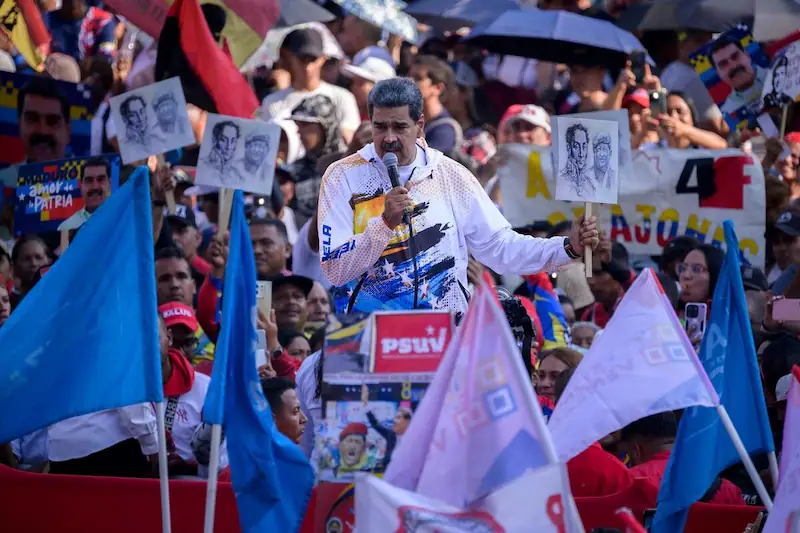


In an unusual move, Colombia and Brazil have raised concerns over Venezuela's election process after the opposition reported being obstructed from registering for the upcoming July 28 election. Colombia's foreign affairs ministry issued a warning to Venezuelan leader Nicolas Maduro, emphasizing that preventing opposition candidates from participating could harm international trust in the democratic process.
Concurrently, Brazil's foreign affairs ministry expressed its apprehension about the situation, noting the lack of explanation provided by Venezuela regarding the reported obstruction. This scrutiny from neighboring nations adds to the criticism already voiced by Argentina and six other Latin American countries, underlining a growing international unease over the fairness and transparency of Venezuela's electoral procedures.
Amidst these concerns, Venezuela’s foreign affairs minister Yvan Gil dismissed the criticism as unwarranted interference in the country’s internal affairs, reflecting a defensive stance against external scrutiny. The palpable tension surrounding the registration of presidential candidates, particularly the reported obstacles faced by the opposition, has cast a shadow of doubt over the upcoming election's credibility.
In the midst of this controversy, opposition leader Maria Corina Machado continues to question the legitimacy of the election, highlighting the opposition's support for Corina Yoris, their chosen candidate. The last-minute registration of another candidate just before the deadline has further complicated the electoral landscape, leaving the opposition in disarray and potentially clearing the path for Maduro's reelection.
The division within the opposition was exacerbated by the unexpected registration of Manuel Rosales, the governor of Zulia state, by the A New Era party. This move has stirred debate within the opposition camp, raising concerns about the potential impact on the electoral outcome. With multiple candidacies still pending approval from the electoral authority, the uncertainty and controversy surrounding Venezuela's electoral process persist.
As the political climate in Venezuela grows increasingly contentious, the international community remains vigilant, with calls for transparency and fairness resonating beyond the nation's borders. The outcome of the July 28 election and the response of the Venezuelan government to the mounting criticism will undoubtedly shape the country's political landscape and influence its standing on the global stage.