


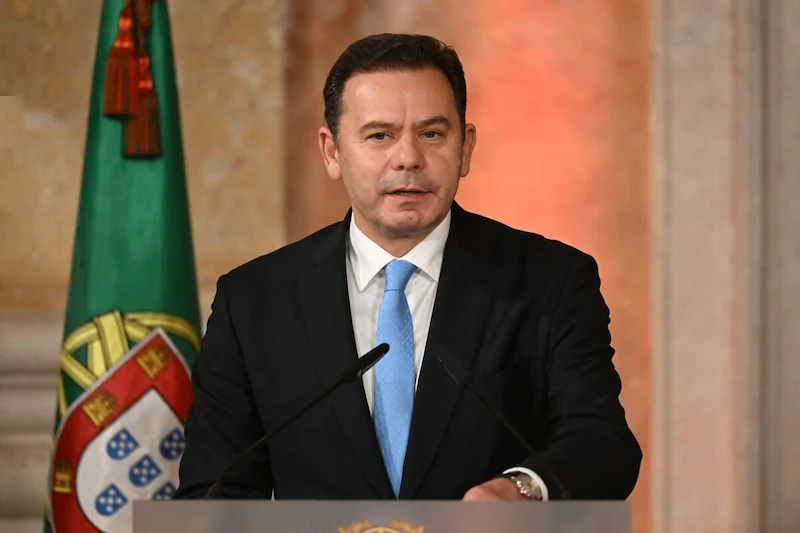


Recently sworn in as the new Prime Minister of Portugal, Luis Montenegro has extended an olive branch to opposition lawmakers, urging them to engage in discussions with his center-right minority government. Montenegro emphasized the importance of dialogue and cooperation, highlighting the need for all parties to work together for the betterment of the country. Despite facing the challenge of governing without a majority, Montenegro expressed his commitment to serving a full four-year term and implementing policies to strengthen the economy and improve living standards.
The lack of a parliamentary majority poses a significant obstacle for Montenegro's administration, making it imperative for the government to seek support from other parties to pass crucial budgetary measures. With the upcoming 2025 budget looming as a major test for the new government, Montenegro may need to make concessions and compromises to secure enough backing from various factions in parliament.
Montenegro's AD coalition narrowly clinched victory over the Socialists in the recent election, and while the possibility of forming a coalition with the far-right party Chega exists, Montenegro has so far rejected such a partnership. The rise of Chega as the third-largest political force in the country has added complexity to the political landscape, creating challenges for coalition-building and policy implementation.
Meanwhile, the Socialist Party, led by Pedro Nuno Santos, has signaled reluctance to support the AD government's budget proposal for 2025. Despite their differences, the Socialists and the AD may find common ground on specific issues, potentially paving the way for collaboration on certain policy matters.
As Montenegro strives to lower taxes and enact reforms, he has expressed hopes that the Socialists and Chega will not form an alliance to impede the government's agenda. Clarifying his stance, Santos emphasized that while the Socialists might not endorse the AD government, they would not actively seek to undermine it through immediate motions of no confidence.
In a country where minority governments have often faced challenges and short tenures, Montenegro's administration faces a difficult path ahead. With the specter of past governments failing to complete full terms looming, the new Prime Minister will need to navigate carefully to ensure stability and progress in Portugal's political landscape. The coming months will undoubtedly test the resilience and adaptability of Montenegro's government as it seeks to navigate a complex and fragmented political environment.