


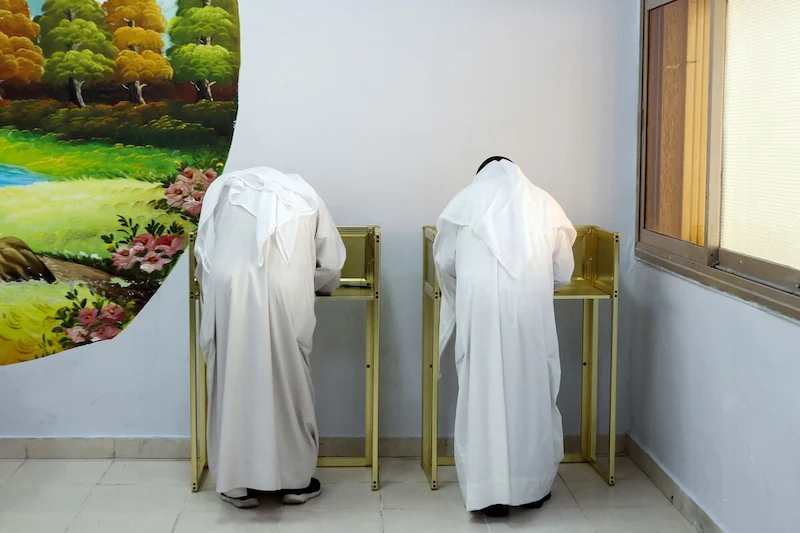


In a resounding display of support for familiar faces, Kuwaitis have voted to reinstate the majority of lawmakers from the recently dissolved parliament, maintaining the opposition coalition's control. This outcome reflects a continuity of parliamentary representation, with 39 out of the 46 members from the previous National Assembly securing their seats in the latest elections held on Thursday. The decision to disband the previous parliament, made by Emir Sheikh Mishaal Al-Ahmed Al-Sabah following constitutional concerns, did not deter most incumbent lawmakers, including AbdulKarim Al-Kandari, whose re-election underscores the electorate's confidence in their representatives.
The electoral landscape in Kuwait, distinctive in the Gulf region for its elected parliament, has been characterized by ongoing political discord. Despite efforts to bridge the gap between the ruling Al-Sabah family and elected officials, governance reforms have been stalled. The return of a substantial number of previous lawmakers to the parliament signals a potential for renewed confrontation in the political arena as the government formation process ensues.
The composition of the Kuwaiti parliament highlights its diverse opposition, encompassing Sunni Islamists, a portion of Shia representatives, independents, and tribal leaders advocating for expanded legislative authority. The singular female member of the legislature, Jenan Bushehri, underscores the ongoing challenges in achieving gender diversity in Kuwait's political landscape. Amid the absence of formal political parties, the re-elected lawmakers represent various social and ideological factions within the Kuwaiti society.
Following the elections, the government is expected to resign, leading to the emir's appointment of a new prime minister. The current premier, Sheikh Mohammed Sabah Al-Salem Al-Sabah, a Harvard-trained economist, faces the task of forming a new cabinet within the mandated timeframe. Notable figures such as former parliament speaker Marzouq Alghanim and outspoken opposition member Bader Al-Dahoum have secured seats in the revamped legislature, alongside fresh faces and tribal representatives holding significant sway in the new political landscape.
As Kuwait navigates its post-election phase, the country's deep-seated challenges call for a comprehensive approach beyond mere electoral cycles. Structural reforms aimed at addressing the root causes of political discord and enhancing governance practices are imperative to rejuvenate the Kuwaiti system and chart a path towards sustainable progress and stability.